

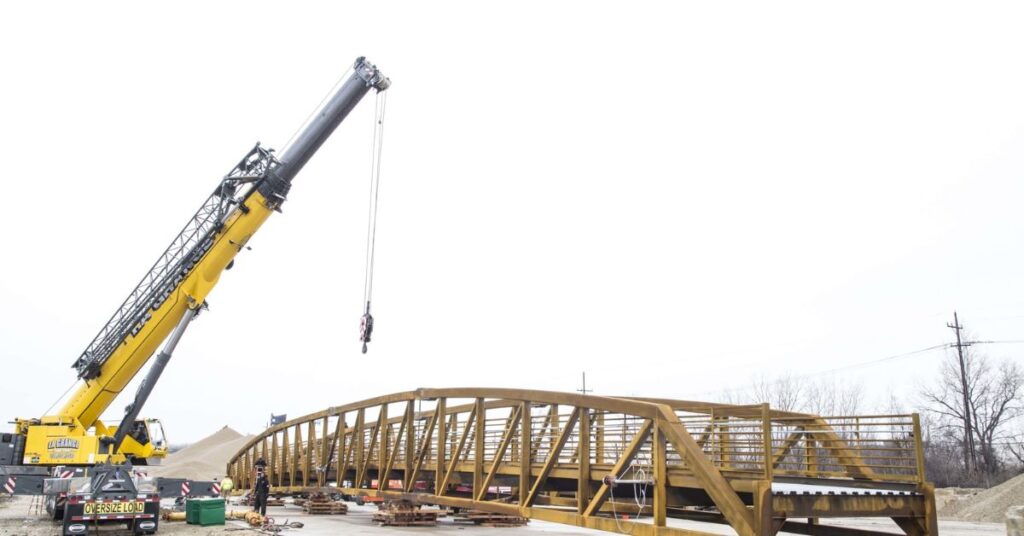
Rough terrain cranes have earned their place on some of the toughest jobsites out there. From muddy ground to uneven surfaces, these machines handle conditions that push other equipment to the limit. Their design didn’t appear overnight, though.
RT cranes evolved over decades as construction needs changed and projects moved into more demanding environments. Continue to our walkthrough below to learn about the evolution of RT cranes over the past, present, and future. If you work around heavy equipment or enjoy seeing how construction technology adapts to real-world challenges, you’re in the right place.
Early Days of Rough Terrain Cranes
The story of RT cranes begins with a clear need on construction sites. Traditional truck cranes struggled once pavement disappeared. Mud, gravel, and uneven ground slowed projects and raised safety concerns.
Equipment manufacturers eventually responded with cranes built on stout frames, wide tires, and compact designs. Early rough terrain cranes focused on durability over comfort. Operators worked with basic controls and limited visibility.
As infrastructure projects expanded beyond city limits, demand rose fast. Rough terrain cranes allowed crews to lift heavy loads without road access. That shift opened new possibilities for utility projects and early industrial builds.
Evolving Designs
Outriggers gained wider spreads and better control systems. That upgrade allowed safer lifts on uneven surfaces. Load charts expanded as stability improved, which gave contractors more flexibility during planning.
Cab design changed as well. Better sightlines, enclosed cabs, and climate controls improve operator focus during long shifts. These updates helped reduce fatigue and supported safer lifts across varied conditions.
Hydraulics also supported better braking and steering systems. Combined with stronger drivetrains, RT cranes handled slopes and loose soil with confidence. Contractors gained machines that felt predictable rather than rigid.
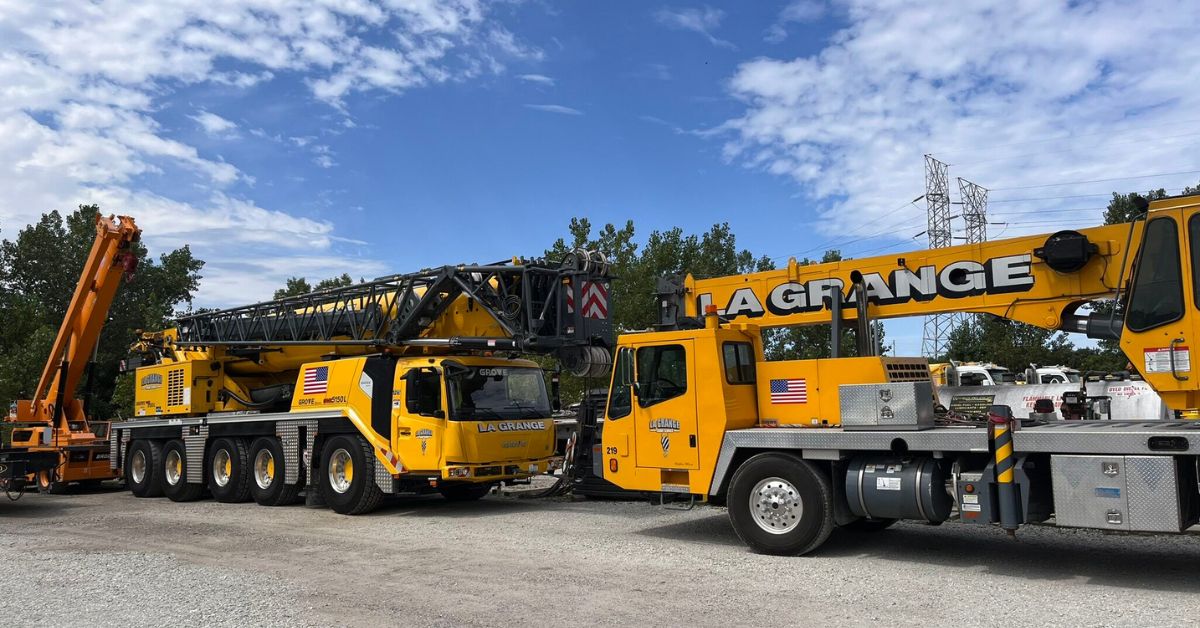
RT Cranes in Modern Construction
Today’s rough terrain cranes reflect decades of refinement. Modern models balance strength, mobility, and operator comfort in one compact package. Digital displays replace analog gauges, which gives real-time load data and system alerts.
Safety systems now play a larger role. Load moment indicators help prevent overload situations. Cameras and sensors improve visibility around the crane, even in tight spaces.
RT cranes now support a wide range of work. Contractors use them for steel erection, plant maintenance, utility placement, and industrial repairs. Their ability to move quickly between lifts saves time on fast-paced projects.
Fleet Reliability and Contractor Expectations
Contractors today expect more than raw lifting power. Reliability, service support, and machine readiness matter just as much. Downtime costs money and disrupts schedules.
Today’s services focus on service-ready RT cranes that arrive prepared for work. Regular inspections and maintenance help keep machines in peak condition. That approach supports smoother projects and fewer surprises on site.
Operator Experience Takes Center Stage
Modern rough terrain crane design places strong emphasis on the operator. Ergonomic controls reduce strain during long days. Adjustable seating and intuitive layouts help operators focus.
Visibility remains a priority. Larger windows, camera feeds, and improved cab placement help operators track loads and surroundings. This clarity supports safer lifts near structures or crews.
Training also plays a role. Skilled operators paired with advanced equipment create a dependable lifting solution. That combination helps projects move forward with steady progress and fewer delays.
How Modern RT Cranes Improve Efficiency on Job Sites
Efficiency is a defining advantage of modern RT cranes, especially in confined or rugged work areas. Newer models offer higher lift capacities without a proportional increase in machine size, allowing operators to handle heavier loads while maintaining maneuverability. Faster setup times, aided by intuitive control layouts and automated functions, help crews get to work quickly and stay productive.
Fuel-efficient engines and smarter hydraulic systems also contribute to lower operating costs. Many rough terrain cranes are now designed to deliver strong lifting performance while minimizing fuel consumption and emissions. This balance of power and efficiency makes modern rough terrain cranes a reliable choice for projects that demand both precision and productivity, even in remote or difficult-to-access locations.
Technology Pushes Rough Terrain Cranes Forward
Technology now shapes how rough terrain cranes perform and communicate. Telematics systems track machine health, usage patterns, and service needs. Fleet managers gain insight that supports proactive maintenance.
Digital load charts adjust based on configuration and setup. Operators receive immediate feedback that supports safe decisions. These systems reduce guesswork and build confidence during complex lifts.
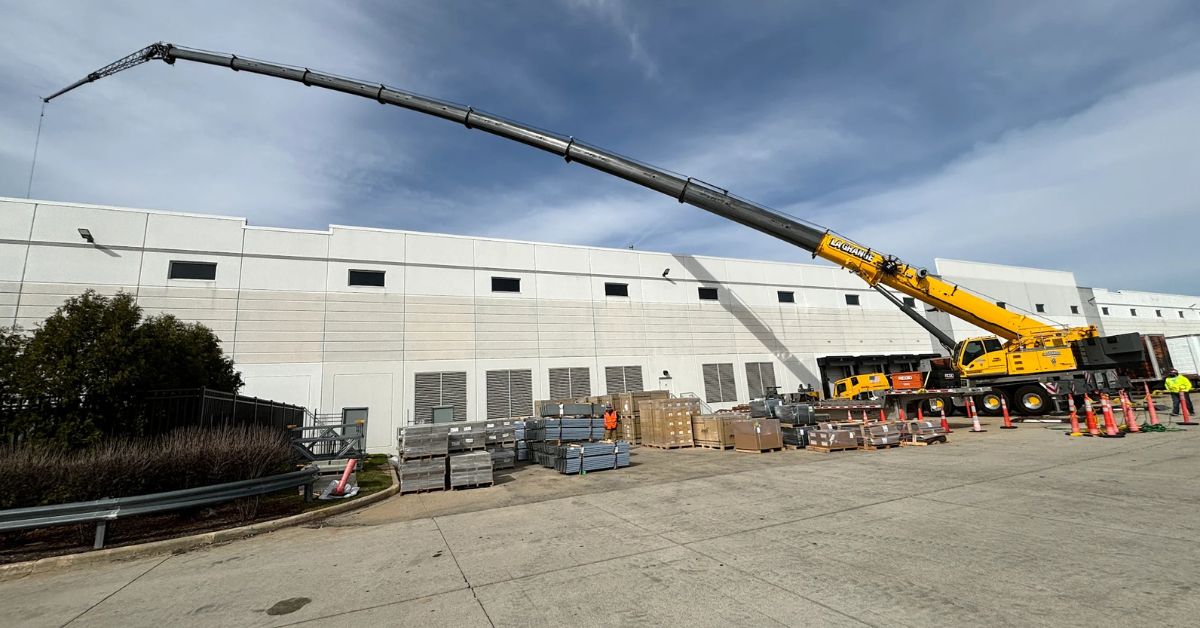
Environmental Considerations and Efficiency
Fuel efficiency has become a stronger focus across construction equipment. Newer rough terrain cranes feature engines that deliver power without excessive consumption. That shift helps contractors manage operating costs.
Emissions standards also guide design choices. Manufacturers now meet strict regulations without sacrificing performance. Cleaner engines support work in urban areas with tighter environmental controls.
The Road Ahead for RT Cranes
The evolution of RT cranes is substantial when we look at the past, present, and future of the industry. The future of rough terrain cranes points toward smarter systems and adaptable designs. Automation will likely support setup assistance and enhanced diagnostics.
These tools will help crews focus on precision rather than manual checks. Remote monitoring may expand as well. Fleet managers could receive alerts before issues affect performance.
That proactive approach supports uptime and long-term equipment health. Rough terrain cranes will continue to serve as versatile workhorses. Their ability to adapt to rough ground keeps them relevant as construction sites grow more complex.
Why Experience Still Matters
Technology adds value, yet experience remains vital. Understanding site conditions, lift planning, and machine limits requires seasoned judgment. Equipment alone cannot replace that knowledge. Construction sites must mix modern equipment with decades of industry insight.
A seasoned team understands how rough terrain cranes fit into real-world projects. That balance supports safer lifts and smoother schedules. Contractors benefit from crane providers who know the terrain, the timelines, and the stakes involved. That trust builds long-term working relationships.
RT Cranes and Your Next Project
RT cranes have come a long way, from rugged early machines to today’s advanced lifting solutions. Each stage of growth reflects the needs of contractors who work on demanding sites. These cranes continue to adapt as projects evolve.
If your next job calls for dependable rough terrain lifting, La Grange Crane Service stands ready to support you. Reach out today to discuss your project and find the right crane rental in Chicago for the task.
