

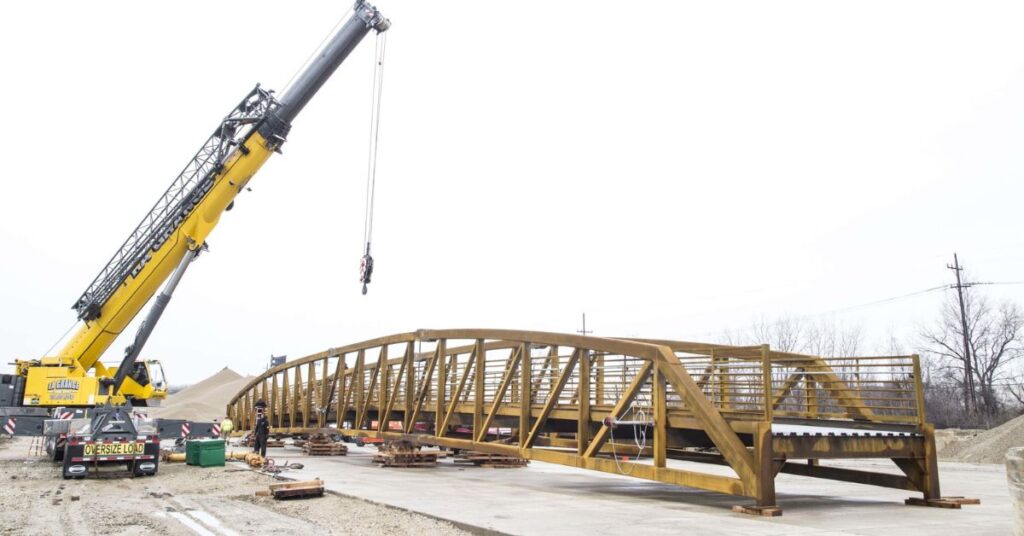
All-terrain cranes bring flexibility to projects that demand both road travel and off-road capability. Behind that versatility sits a system that doesn’t always get the spotlight: the suspension. It plays a direct role in stability, ride quality, and load control across uneven ground and paved routes alike.
Contractors who understand how these systems work can make better equipment choices and keep projects on track. If you’re planning a lift and want equipment that performs without compromise, take a closer look at all-terrain crane suspension systems.
Why Suspension Matters More Than You Think
All-terrain cranes handle a wide range of environments, from highways to rugged job sites. Suspension bridges the gap between those two worlds. It absorbs shock, stabilizes the crane, and helps distribute weight across multiple axles. That balance keeps the machine steady, which supports both safety and performance.
A well-designed suspension system also improves control during transport. Operators benefit from smoother handling, especially when moving heavy loads over long distances. That additional control translates to less wear on the machine and fewer disruptions during transit.
The Basics of All-Terrain Crane Suspension
At its core, crane suspension connects the chassis to the axles and wheels. It allows movement that absorbs bumps and uneven terrain while keeping the crane level. Most all-terrain cranes rely on advanced hydraulic or hydropneumatic systems rather than traditional leaf springs.
These modern systems adapt in real time. They adjust ride height, stiffness, and load distribution based on terrain and weight. That adaptability supports both comfort during travel and stability during lifting operations.
Hydropneumatic Suspension Systems
Hydropneumatic suspension has become a standard in many all-terrain cranes. It uses a combination of hydraulic fluid and gas pressure to manage movement and support weight. This setup allows for precise control over how the crane responds to terrain changes.
Operators can adjust the suspension height to match site conditions. Lowering the crane improves stability during lifts, while raising it helps navigate rough ground. This flexibility allows the crane to perform well in a wide range of environments without manual adjustments to each axle.
Another benefit comes from load distribution. Hydropneumatic systems spread weight evenly across axles, which reduces stress on individual components. That balance supports longer equipment life and smoother operation across the board.
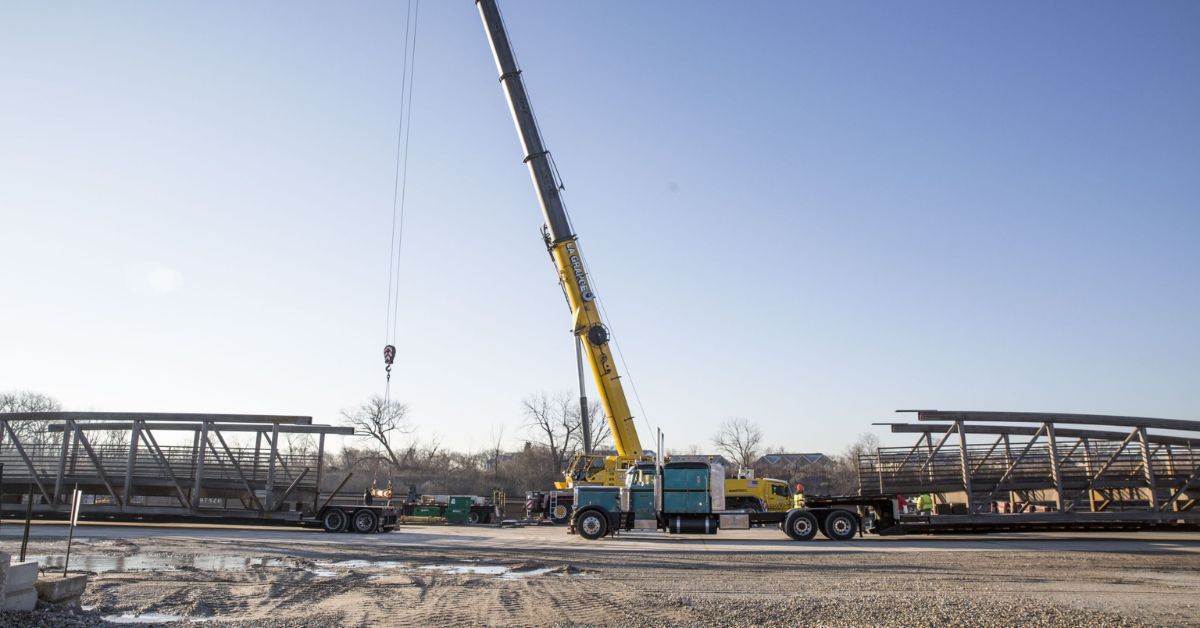
Independent Suspension for Better Control
Many all-terrain cranes feature independent suspension on each axle. This means each wheel can react to terrain changes without affecting the others. The result is better traction and a more stable ride across uneven surfaces.
Independent systems help maintain consistent ground contact. That consistency becomes valuable on job sites where terrain varies from one section to another. Instead of a rigid response, the crane adapts wheel by wheel, which supports both safety and control.
This setup also improves steering. With multiple steering axles in play, independent suspension allows for tighter turning and better maneuverability in confined spaces.
Hydraulic Leveling and Stability
Suspension doesn’t work alone when it comes to stability. Hydraulic leveling systems complement suspension by adjusting the crane’s position during setup. Together, they create a stable base before any lift begins.
Leveling systems correct uneven ground conditions. They adjust the chassis so the crane sits evenly, which supports accurate load handling. When paired with adaptive suspension, the crane maintains balance even on challenging terrain.
This combination helps operators maintain confidence during lifts. A stable base reduces sway and keeps the load under control, which aligns with the safety standards contractors expect on every job.
Road Travel vs. Job Site Performance
All-terrain cranes face a unique challenge. They need to perform like highway vehicles during transport and like rugged machines on job sites. Suspension systems make that dual role possible.
On the road, suspension focuses on comfort and control. It absorbs vibrations and keeps the crane stable at higher speeds. That smooth ride reduces fatigue for operators and minimizes wear on the crane’s structure. On the job site, priorities shift. Suspension stiffens to provide a solid base for lifting. Adjustments in ride height and axle load distribution help the crane handle uneven ground without compromising stability.
Load Distribution Across Multiple Axles
All-terrain cranes typically feature multiple axles to support heavy loads. Suspension systems play a direct role in how that weight spreads across those axles. Proper distribution prevents overload on any single point.
Hydraulic systems can shift weight dynamically. As conditions change, the suspension adjusts to maintain balance. This capability supports safer transport and more efficient lifting operations. Balanced weight distribution also protects the ground beneath the crane. It reduces pressure on specific areas, which can matter on sensitive job sites or paved surfaces.
All-Terrain Crane Suspension Systems in Action
When you take a closer look at all-terrain crane suspension systems, it becomes clear how much they influence performance. From smooth highway travel to stable lifting on uneven ground, suspension supports every phase of operation. It allows cranes to adapt, respond, and perform without compromise. Contractors who recognize that value can make smarter decisions on equipment selection. That knowledge leads to safer job sites and more efficient project timelines.
Choosing the Right Crane for the Job
Understanding suspension helps contractors choose the right crane for specific tasks. Projects with uneven terrain or tight access points benefit from advanced suspension systems. These features support both maneuverability and stability.
Working with a knowledgeable crane provider makes a difference. They can match equipment to project requirements and explain how features like suspension impact performance. That guidance helps contractors avoid mismatches that could slow progress.
Safety and Suspension Go Hand in Hand
Suspension contributes directly to job site safety. A stable crane reduces the risk of load shifts and tipping. It also supports accurate positioning, which matters during complex lifts.
Operators rely on consistent performance from their equipment. Suspension systems that respond predictably help maintain control in challenging conditions. That control aligns with safety practices that protect both crews and equipment.
Regular maintenance, proper setup, and the right equipment choice all work together. Suspension sits at the center of that equation, even if it doesn’t always receive attention.
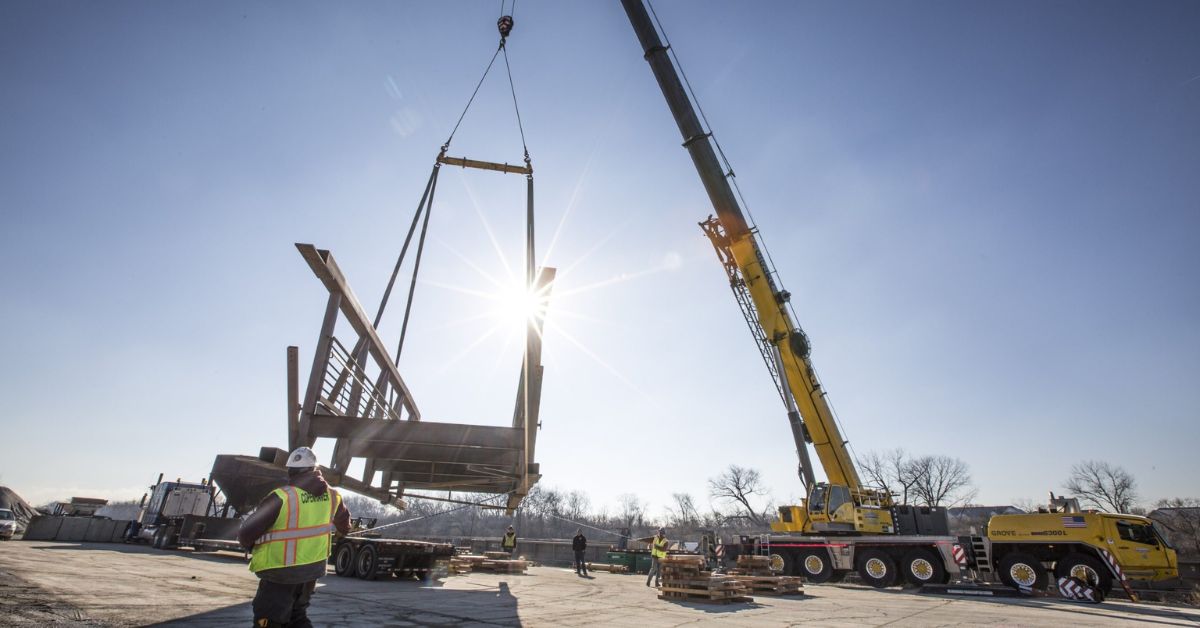
Get the Right Equipment for Your Next Project
All-terrain crane suspension systems do more than improve ride quality. They support stability, safety, and overall performance across every job site condition. Choosing the right crane means looking beyond lifting capacity and considering how the machine handles the terrain beneath it.
If your next project calls for reliable equipment that performs under pressure, reach out to La Grange Crane Service for all-terrain truck crane rentals in Chicago. You will find a crane that matches your needs and keeps your project moving forward with confidence.
