

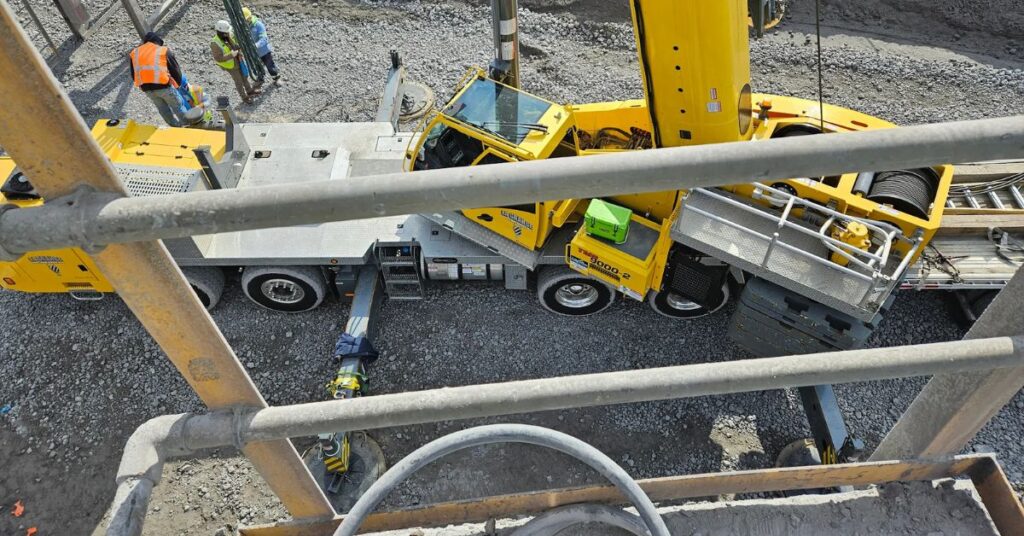
Every lift has more going on than what meets the eye. Beneath the crane, forces shift through the ground in ways that can shape the outcome of a project. This is why it’s important to learn what outrigger load is and why it matters for RT cranes. Find out how you can operate RT cranes more effectively on your next project.
Outrigger Load in Plain Terms
Outrigger load refers to the amount of force that each outrigger transfers into the ground during crane operation. RT cranes rely on outriggers to stabilize the machine, which allows it to lift safely across uneven terrain. When a load shifts or the boom extends, weight redistributes across those outriggers.
Why RT Cranes Depend on Proper Load Distribution
Rough terrain cranes operate in environments that lack uniform surfaces. Dirt, gravel, or partially compacted soil can respond very differently under pressure. That’s why outrigger load matters more with RT cranes than with cranes on paved surfaces.
When the load spreads incorrectly, the crane may lose stability. Even a slight imbalance can cause the crane to tilt or shift. Crews that understand load distribution adjust setup to maintain balance across all outriggers. This awareness helps prevent costly delays and unsafe conditions.
What Impacts Outrigger Load on a Jobsite
Several factors influence how load transfers through outriggers. The crane’s configuration plays a large role, including boom length and angle. A longer reach increases leverage, which shifts more force onto certain outriggers.
Ground conditions also play a huge part. Soft soil compresses more than compacted ground, which changes how force spreads. Weather conditions such as rain can weaken soil strength as well. Even small changes in terrain alter load distribution in ways that crews need to account for.
The Role of Ground Bearing Pressure
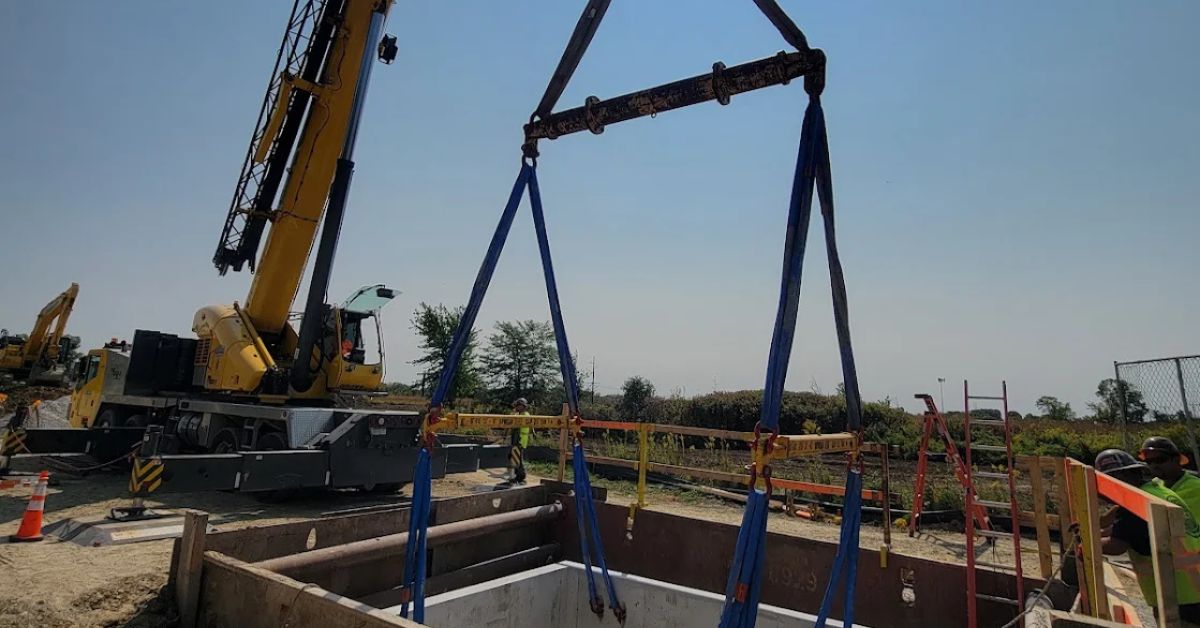
Outrigger load connects directly to ground bearing pressure, which measures how much force the ground can handle. If the ground cannot support the load, it can sink or collapse under pressure. This creates a serious hazard that can compromise the entire lift.
Contractors must evaluate soil conditions before setup begins. Load charts alone cannot provide a full picture without ground data. Proper planning includes soil analysis and load calculations that match site conditions. This step supports a safer and more predictable lift.
How Outrigger Pads Help Manage Load
Outrigger pads serve as a buffer between the crane and the ground. These pads spread the load over a larger surface area, which reduces pressure on the soil. Without them, the force concentrates in a smaller space, which increases the risk of ground failure. Crews must select pads based on the expected load and site conditions. This choice plays a direct role in crane stability.
A Closer Look at Load Distribution
Picture a rough terrain crane lifting steel beams across a construction site with uneven soil. As the boom extends outward, more weight shifts to the outriggers farthest from the load. Those outriggers carry a larger portion of the force.
If the ground beneath one outrigger lacks support, it may sink slightly. That small shift can throw off the crane’s balance and affect the entire lift. Crews that plan ahead can avoid this scenario through proper setup and support. This example shows how small details can influence the outcome of a lift.
Common Missteps That Lead to Trouble
One frequent issue comes from underestimating ground conditions. A surface that looks stable may not support heavy loads beneath the top layer. Another problem comes from incorrect pad selection, which fails to distribute load properly.
Skipping proper calculations can also lead to uneven load distribution. Each lift requires attention to detail, not assumptions based on past jobs. Crews that rely on experience alone may overlook changes in terrain or load requirements. A consistent process helps avoid these setbacks.
Best Practices for Managing Outrigger Load
Proper planning starts with a site evaluation. Crews should review soil conditions, weather factors, and crane configuration before setup begins. This step allows teams to anticipate how load will transfer through the outriggers.
Next comes the selection of appropriate outrigger pads. The size and material should match both the crane and the ground conditions. Crews should also monitor the crane during operation to catch any shifts early. These practices help maintain stability throughout the project.
Why Experience Matters on Complex Lifts
Outrigger load involves more than numbers on a chart. It requires an understanding of how real-world conditions affect those numbers. Experienced crews can read a jobsite and adjust based on subtle changes.
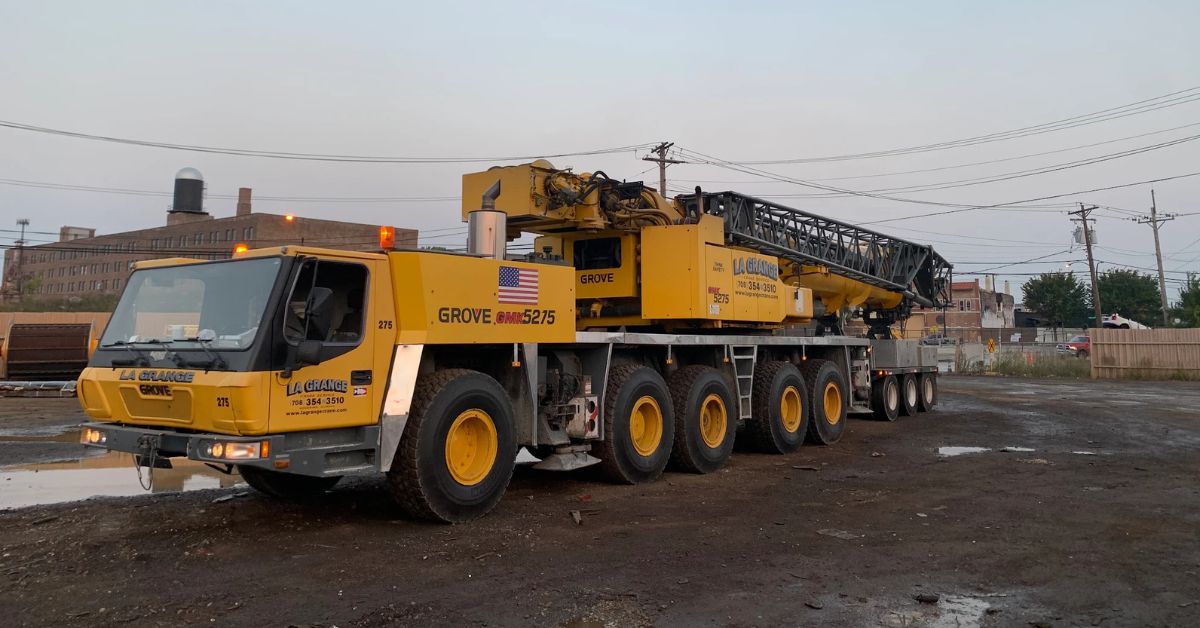
La Grange Crane Service has supported contractors for decades with dependable rough terrain crane services and knowledgeable operators. Our team focuses on safe and efficient project execution, which helps contractors stay on schedule. That level of expertise brings confidence to every lift.
Connecting Safety to Project Success
A stable crane setup supports more than safety. It also keeps projects moving without interruptions. When crews address outrigger load early, they reduce the chance of delays caused by equipment issues or ground failure.
Safety practices also protect workers and equipment on site. A well-prepared lift avoids unnecessary risks that can affect the entire project timeline. This approach reflects a commitment to quality work from start to finish.
Paying More Attention to Outrigger Load
Understanding what outrigger load is and why it matters for RT cranes goes beyond theory. It shapes how crews plan, set up, and execute every lift. From ground evaluation to pad selection, each step connects back to how load moves through the crane.
Contractors who prioritize this knowledge set themselves up for smoother operations. They can approach each project with a clear plan that accounts for site conditions and equipment limits. This mindset leads to better outcomes across the board.
Work With a Team That Gets It Right
Every jobsite comes with its own set of challenges. Outrigger load stands as one factor that can influence the success of a lift in a major way. With the right approach, crews can manage those forces and maintain stability throughout the process. A good team works closely with contractors to support safe and efficient operations at every stage. Reach out to an expert today to discuss your next project and get the support you need to move forward with confidence.
