


A crane can lift huge loads with calm control, but the ground below that machine carries the real burden. Soil, asphalt, concrete, gravel, and hidden voids all shape crane stability long before a lift starts. One weak patch can shift a project from smooth progress to costly delays in seconds. Find out everything you need to know to understand ground conditions for safe crane set up.
Why Ground Conditions Deserve Attention
Crane operators rely on stable support beneath tracks or tires. A massive crane may look solid from the outside, though poor soil can fail under pressure without warning. Fresh backfill, wet clay, frost pockets, and broken pavement create trouble fast. Even a compact crane can sink if the surface lacks strength.
Construction sites across Illinois face constant weather shifts. Heavy rain can soften soil overnight. A freeze-thaw cycle can crack pavement below the surface. Heat will easily weaken asphalt during summer road work. Crews that check ground conditions before set up avoid many costly setbacks later in the day.
A crane project rarely exists on a perfect surface. Downtown streets, tight commercial lots, and utility corridors bring unique obstacles. Smart preparation gives operators a stable base before the boom ever rises.
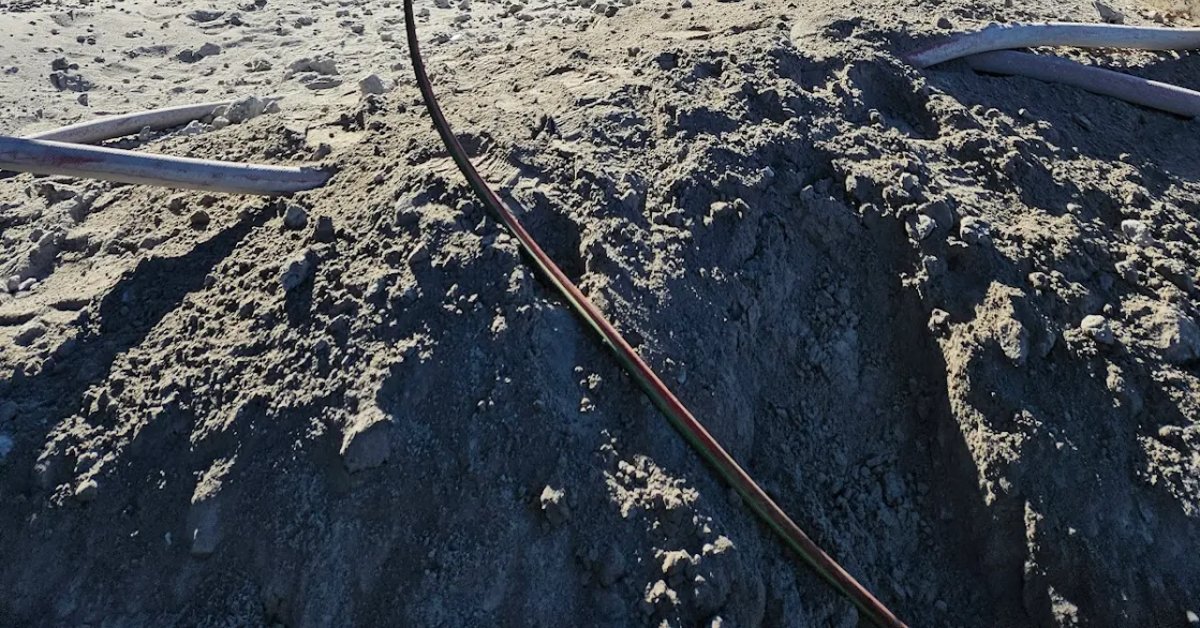
Soil Type Shapes Crane Stability
Not all soil carries weight the same way. Dense gravel can support heavy equipment far better than loose fill dirt. Clay may look firm on top, but water below the surface can create weak zones. Sand shifts under pressure and may spread under load.
Operators and lift planners study soil conditions before crane arrival. They review site drawings, geotechnical reports, and utility maps. In some cases, crews use test probes or consult engineers for load calculations. That extra effort helps crews avoid surprises during crane placement.
A jobsite near a new subdivision offers a good example. Fresh utility trenches may sit below compacted soil. The surface can appear solid, though hidden voids below the dirt may collapse under outrigger pressure. A proper site review helps crews avoid those danger zones.
Outrigger Pads Spread the Load
Outrigger pads help distribute crane weight across a wider area. Without pads, thousands of pounds may press into a very small section of ground. That force can crack pavement or push outriggers into soft soil.
Wood mats, composite pads, and steel plates all serve a purpose on crane jobs. The right choice depends on crane size, surface type, and lift demands. Larger lifts may require engineered crane mats for extra support.
Crews also place pads on level surfaces whenever possible. A tilted pad can create uneven pressure and reduce stability. Careful placement gives operators a stronger foundation before lift activity begins.
Water Creates Hidden Risks
Water changes ground strength fast. Rain may turn compact soil into mud within hours. Underground leaks can soften soil below pavement long before surface damage appears. Poor drainage around a site will typically create weak edges near excavations.
A crane near a retention pond or riverbank needs extra caution. Saturated soil loses strength under pressure. Tracks and outriggers will sink slowly at first, then shift without much notice. Lift planners account for those conditions before crane arrival.
Crews also watch for standing water after storms. A puddle may hide a washout or depression below the surface. Experienced crane teams treat wet ground with extra care from start to finish.
Underground Hazards Matter Too
Ground hazards do not stop at the surface. Buried utilities, vaults, tanks, and tunnels can create major support issues. A crane may sit above a sewer line or electrical duct bank without visible clues above grade.
Construction drawings help crews locate underground systems before the initial set up. Utility location services also help reduce risk near buried lines. In crowded urban areas, lift plans may require extra review from site engineers or local authorities.
A parking garage project can show this challenge clearly. The concrete slab may appear strong, but sections below may contain utility trenches or hollow areas. Crane placement on suspended slabs requires exact load analysis before any work starts.
Slope and Grade Affect Balance
Two of the most important details to consider if you want to understand ground conditions for safe crane set up are slope and grade. Flat ground gives cranes the best chance for stable operation. Sloped terrain creates side loading forces that can reduce stability fast. Even minor grade changes deserve attention before crane placement.
Operators use leveling systems and site checks to verify proper crane position. Some jobs require grading work before crane arrival. Others may need cribbing or mats to create a more stable base.
Roadside utility jobs face this issue on a regular basis. A shoulder near a ditch may look level from one angle, but the soil below can slope sharply. Completing a careful review helps crews choose safer crane placement before lift activity begins.
Weather Can Shift Site Conditions Fast
Weather affects crane setup more than many people expect. Rain weakens soil, plus the combination of snow and ice hides surface defects. Wind can increase crane load stress during lifts. Heat softens blacktop and affects pavement strength.
A site that looked solid on Monday may not carry the same strength by Thursday. Crews review conditions throughout the project instead of relying on one early inspection. That habit helps operators react to site changes before problems develop.
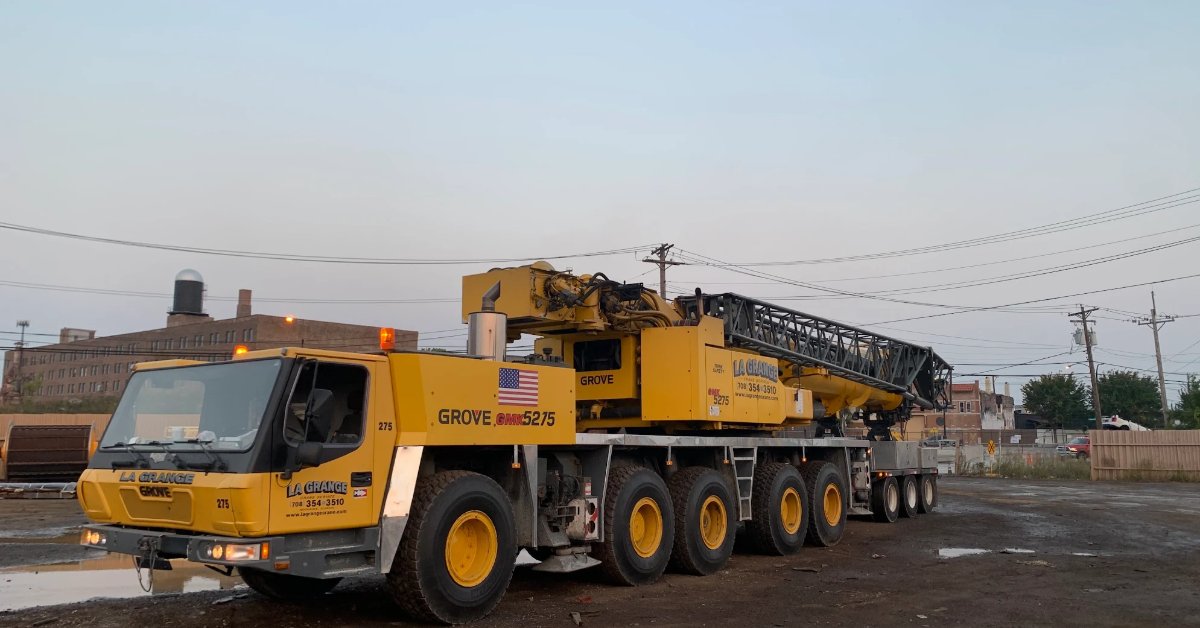
Communication Keeps Everyone Safer
Safe crane setup relies on teamwork across the entire jobsite. Operators, supervisors, lift directors, and contractors all play a role in site preparation. Clear communication helps crews spot risks before crane arrival.
A pre-lift meeting gives everyone a chance to review site conditions and crane placement plans. Crews discuss load paths, underground hazards, weather concerns, and restricted access points. That shared information helps reduce confusion once work begins.
Good communication also helps projects stay on schedule. A contractor that prepares the site early can help crane crews mobilize faster and avoid delays tied to poor ground conditions.
Safer Crane Set Up On-Site
No two jobsites share the same conditions. Soil strength, weather, underground systems, and surface materials all shape crane stability in different ways. A careful review before setup helps crews avoid preventable setbacks and costly damage. Now that you know how to secure proper site conditions, seek out reliable crane services for your jobsite today.
