

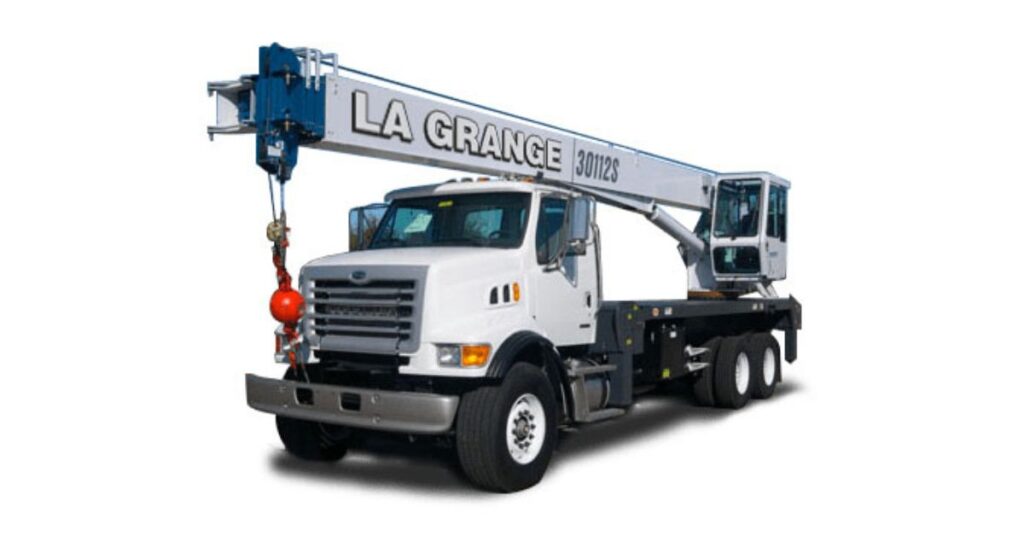
Contractors deal with a long list of equipment choices on any project. Crane selection sits near the top of that list because the right machine affects efficiency, safety, and jobsite logistics. Among the most common options on construction sites are truck cranes and boom trucks. At first glance, they look similar, yet their roles on a project can vary quite a bit.
A closer look at their design, lifting ability, and typical jobsite use clears up the confusion. That knowledge helps contractors choose equipment that fits the task instead of forcing the job to adapt to the machine. Anyone planning a lift or coordinating site logistics can benefit from a clear breakdown of each type.
This guide explores the differences between truck cranes and boom trucks, with a focus on practical jobsite use. Find out how to choose between these two essential pieces of machinery on your next jobsite.
Understanding Truck Cranes
Truck cranes combine mobility with serious lifting capability. The crane mounts directly onto a commercial truck chassis, which allows it to travel public roads without special transport equipment.
That design allows crews to move from one jobsite to the next without disassembly. A contractor can dispatch the crane to several locations in a single day, if necessary. For projects across a large metro area, that mobility adds real value.
The lifting system includes a telescopic boom supported by outriggers that stabilize the truck during operation. Once those outriggers extend and level the crane, the operator gains the stability required for heavier lifts. Truck cranes typically handle large structural components such as:
- Steel beams
- HVAC units
- Concrete panels
- Mechanical equipment
Construction crews also use them during bridge work, infrastructure projects, and large commercial builds. Their lifting capacity can reach well over 100 tons, depending on the model. That strength gives contractors the ability to handle heavier materials that smaller lifting equipment cannot manage.
What Is a Boom Truck?
A boom truck also uses a commercial truck as its base, yet the crane mounted on top works differently. The boom system usually includes a hydraulic crane with a hook or lifting attachment designed for lighter loads.
Boom trucks serve many roles on construction and service projects. Their flexibility makes them useful for both lifting materials and delivering them to the jobsite. Contractors can use boom trucks for tasks such as:
- Roofing material placement
- Truss delivery
- Utility pole installation
- Sign installation
- Tree work or landscaping lifts
The crane mounted on a boom truck typically handles lighter loads than a full truck crane. Most models operate in the range of 10 to 40 tons. That lower lifting capacity does not limit their usefulness. In fact, many contractors prefer boom trucks for projects that require both transportation and moderate lifting.
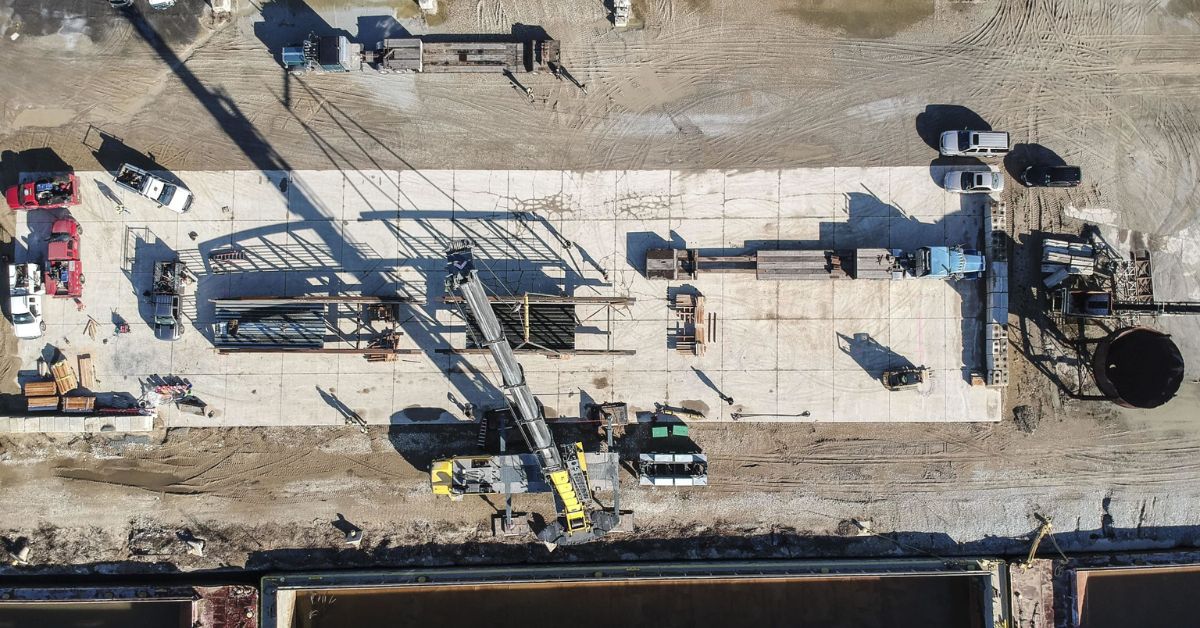
Design Differences Between Truck Cranes and Boom Trucks
As you compare truck cranes vs. boom trucks, what’s the biggest difference? The first major distinction appears in the crane structure itself. Truck cranes feature a more complex superstructure built for higher capacity lifts.
Engineers design the crane portion to rotate fully and operate with multiple boom extensions. Boom trucks use a smaller hydraulic crane mounted directly onto the truck frame. The design places emphasis on versatility rather than maximum lifting power.
Another difference appears in counterweight systems. Truck cranes rely on larger counterweights to balance heavy loads during lifts. Boom trucks rarely include counterweights of that size because their lifting range remains lower. Those structural differences shape how each machine performs on a jobsite.
Lifting Capacity and Reach
Lifting power represents one of the clearest contrasts between these machines. Truck cranes handle extremely heavy materials. Their high-capacity design suits structural steel placement, bridge components, and industrial equipment installation. The boom length and strength allow them to reach considerable heights with large loads.
Boom trucks focus on moderate lifting jobs that require precision rather than brute strength. Contractors use them to place roof materials, HVAC units, or trusses on smaller structures. Truck cranes also offer long boom systems that extend to great heights. That reach helps crews access tall buildings or complex construction zones.
Boom trucks still provide impressive reach for their size. Many models extend far enough to service residential or light commercial structures with ease. The difference lies in scale. One machine serves massive construction projects, while the other supports smaller lifts that still require accuracy.
Mobility and Setup Time
Both machines travel public roads, yet their jobsite setup process differs. Truck cranes usually require a bit more preparation before the lift begins. The operator must extend outriggers, level the crane, and confirm load charts for the lift radius. That preparation adds time, though it creates the stability required for large loads.
Boom trucks reach operational status faster. Their stabilizers extend quickly, which allows crews to place materials soon after arrival.
Roofing crews and framing teams appreciate that quick turnaround. For projects with frequent short lifts throughout the day, a boom truck may suit the schedule better. Large structural lifts call for the stability and strength of a truck crane, even if setup takes longer.
Typical Jobsite Applications
Each crane type shines in different construction environments.
Truck cranes dominate large commercial and infrastructure projects. Their lifting capacity allows crews to move massive components safely and efficiently. Common truck crane applications include:
- Steel erection
- Bridge construction
- Heavy mechanical placement
- Industrial plant maintenance
Boom trucks appear across a wider variety of smaller tasks. Their combination of transport and lifting ability allows them to serve many trades. Typical boom truck projects include:
- Residential framing
- Roofing supply placement
- Utility work
- Light commercial construction
Contractors select between the two based on load size, lift height, and project scope.
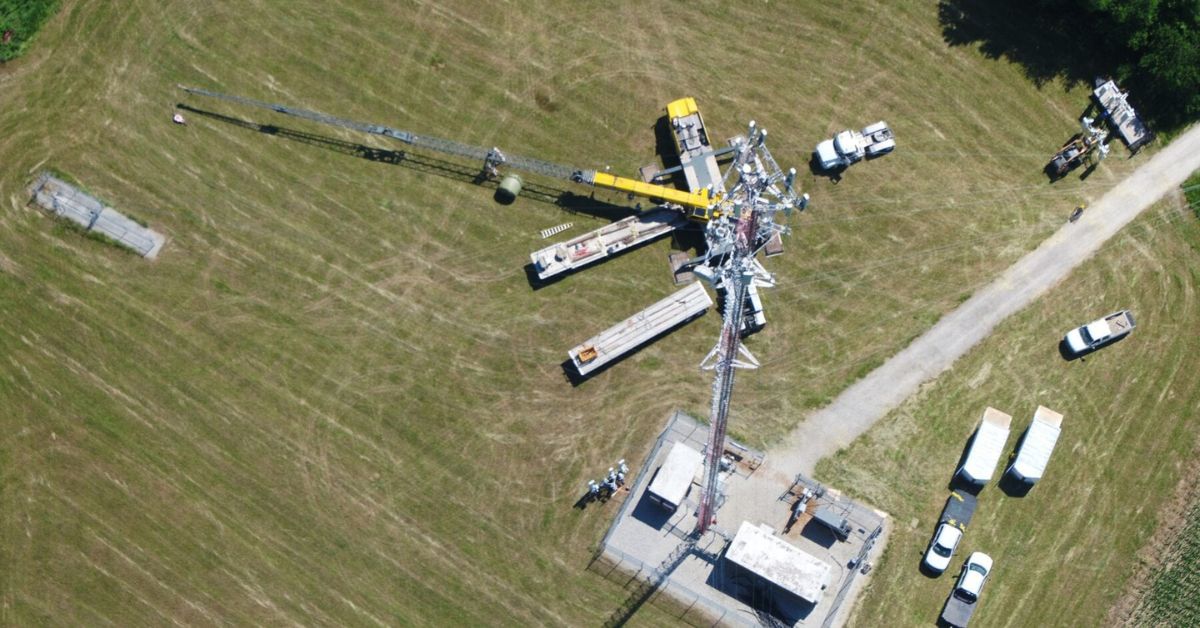
Choosing the Right Crane for Your Project
Contractors evaluate several factors before selecting lifting equipment. Load weight stands as the first consideration. Heavy structural materials call for the strength of a truck crane. Lighter materials with frequent deliveries may favor a boom truck.
Project scale also affects the decision. Large commercial construction typically involves heavy components that require higher lifting capacity. Smaller projects with frequent material placement benefit from the flexibility of boom trucks.
Site space also plays a role. Tight urban locations sometimes limit the footprint available for crane setup. Boom trucks may adapt more easily to compact work zones. A thoughtful equipment choice saves time and reduces logistical headaches on busy construction schedules.
Contractors benefit from understanding how each machine performs before planning a lift. A thoughtful equipment choice improves efficiency, keeps projects on schedule, and supports safe jobsite operations. Explore the truck-mounted crane rentals in Chicago now to settle on a model that perfectly fits your next job. The right equipment sets the stage for a smoother, safer construction process from start to finish.
