

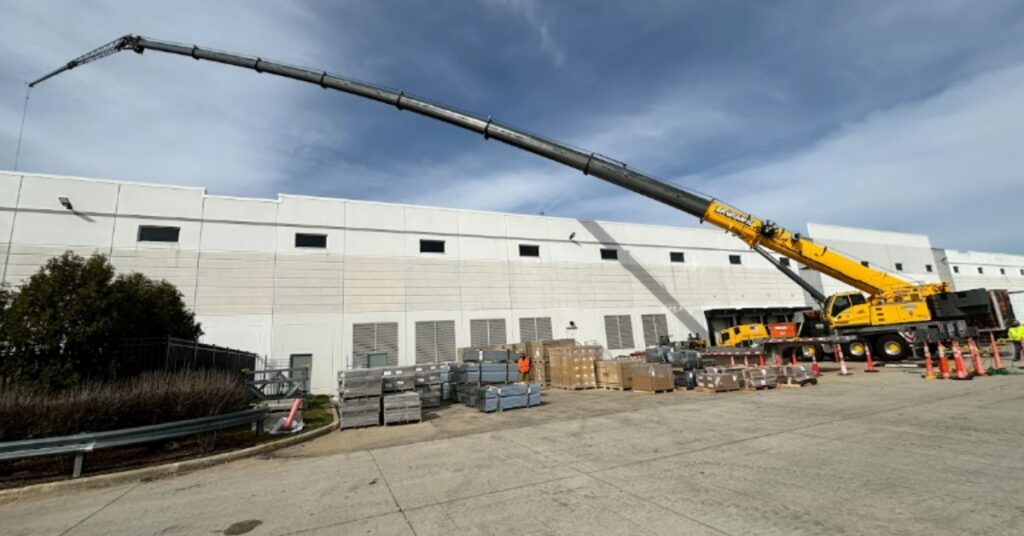
Construction projects rarely unfold across perfectly level surfaces. Muddy access roads, uneven ground, and crowded work zones can complicate the placement of heavy materials and equipment. That’s why industries that commonly utilize rough terrain cranes depend on these versatile machines for demanding job sites. Dive into the guide below to determine if you need this type of crane on your jobsite today.
Commercial and Residential Construction
Construction crews face a constant mix of heavy materials, restricted access, and unpredictable ground conditions. Rough terrain cranes provide practical lift solutions for projects where paved surfaces aren’t available. Their compact dimensions also give contractors greater flexibility across crowded construction sites.
Commercial developments may require crews to position structural steel, precast concrete sections, and mechanical equipment. A rough terrain crane can support these tasks from an appropriate setup location, provided its rated capacity and site conditions meet the lift requirements. This versatility proves valuable on projects with several phases of construction.
Residential developments present a different set of challenges, especially during early construction phases. Crews may need to place roof trusses, structural components, or large prefabricated sections before permanent roads are complete. Rough terrain cranes can access suitable portions of these sites and provide controlled lifts without the need for extensive paved access.
Oil and Gas Operations
Oil and gas facilities frequently operate across remote locations with limited infrastructure. Equipment must travel across gravel, compacted earth, and other surfaces that can challenge conventional machinery. Rough terrain cranes are perfectly suited to many of these environments because their design accommodates off-road travel under appropriate conditions.
At extraction sites, cranes may help position pumps, pipe assemblies, valves, and mechanical components. Maintenance crews also depend on crane support to remove worn equipment and install replacements. These tasks demand precise load control because surrounding infrastructure can leave little room for error.
Refineries and processing facilities have their own lift requirements. Heavy components must sometimes pass through restricted spaces near existing equipment and pipe networks. A properly selected rough terrain crane can provide the necessary reach and capacity when the available setup area permits safe operation.
Utility and Power Infrastructure
Utility contractors regularly work beyond developed roads and paved industrial yards. Electrical substations, transmission corridors, and remote service locations can present difficult access conditions. Rough terrain cranes give crews another equipment option for these environments.
Electrical infrastructure projects may involve transformers, structural supports, and other substantial components. A crane can help position these materials during installation or replacement, subject to a detailed lift plan. Crews must also account for overhead electrical hazards and maintain required clearances from energized lines.
Power infrastructure repairs can carry tight schedules, particularly after equipment failures or severe weather. Crews benefit from equipment that matches the terrain and the specific lift requirements. Rough terrain cranes can support efficient work once access, ground stability, and operational hazards have been evaluated.
Renewable Energy Projects
Renewable energy development introduces heavy lift requirements across large tracts of land. Solar installations, wind facilities, and related electrical infrastructure may extend far beyond established roads. Rough terrain cranes can assist with selected construction and maintenance tasks at these locations.
Solar projects may require cranes to position electrical enclosures, transformers, and prefabricated equipment assemblies. Contractors can use these machines where ground conditions and access routes support their operation. Their maneuverability can be useful across expansive sites with multiple work areas.
Wind energy facilities present larger structural challenges. Although major turbine assembly tasks may require cranes with substantially greater height and capacity, rough terrain models can support auxiliary lifts and maintenance activities. Their suitability depends on component weights, required reach, terrain conditions, and the planned crane configuration.
Road and Bridge Construction
Transportation projects expose crews to changing ground elevations, temporary access roads, and confined work zones. Rough terrain cranes can provide lift support during selected phases of road and bridge construction. Their mobility across suitable unfinished surfaces gives contractors more options for equipment placement.
Bridge projects may require crews to handle formwork, reinforcing assemblies, structural components, and construction materials. Crane selection depends on load weight, lift radius, setup space, and the condition of the supporting ground. A rough terrain crane can serve these applications when its capacity and configuration match the work.
Road construction teams may also use cranes to position drainage structures, utility components, and temporary construction equipment. These tasks can occur before final pavement is installed. Contractors benefit from equipment capable of accessing designated work zones without reliance on completed road surfaces.
Manufacturing and Industrial Facilities
Industrial facilities present a different environment from remote construction sites. Space restrictions, existing machinery, and production schedules can complicate crane operations. Rough terrain cranes may be suitable for outdoor industrial yards, plant expansions, and equipment replacement projects.
Manufacturers occasionally need to relocate large machinery or install new production components. A crane can assist with the exterior portion of these tasks, especially where equipment must move between transport vehicles and designated installation areas. Detailed coordination helps crews manage nearby structures, personnel, and active operations. Plant expansion projects may also require structural steel placement and mechanical equipment installation. Rough terrain cranes offer a practical option when the available work area supports their setup.
Mining and Aggregate Operations
Mining sites operate across rugged landscapes with heavy machinery and substantial material loads. Access roads may consist of compacted earth or gravel, and work areas can change as operations progress. Equipment maintenance may require crews to remove large mechanical components from crushers, conveyors, or processing machinery. Cranes provide controlled load movement during repairs and component replacement. The work demands careful coordination because equipment dimensions and surrounding structures can restrict available lift paths.
Telecommunications Infrastructure
Telecommunications projects can take contractors into remote areas with limited access. Tower sites may sit along rural roads, elevated terrain, or undeveloped properties. Rough terrain cranes can assist with certain infrastructure tasks where site conditions permit.
Crews may need to lift equipment shelters, generator units, and prefabricated structural components. A crane’s reach and rated capacity must match the specific installation requirements. Tower height and component placement may call for other crane configurations on more demanding projects.
What Makes Rough Terrain Cranes Suitable Across Industries
Despite their varied applications, these industries share several practical challenges. Heavy components must move through sites with limited infrastructure, uneven surfaces, or restricted work areas. Rough terrain cranes address many of these demands through their off-road mobility and compact design.
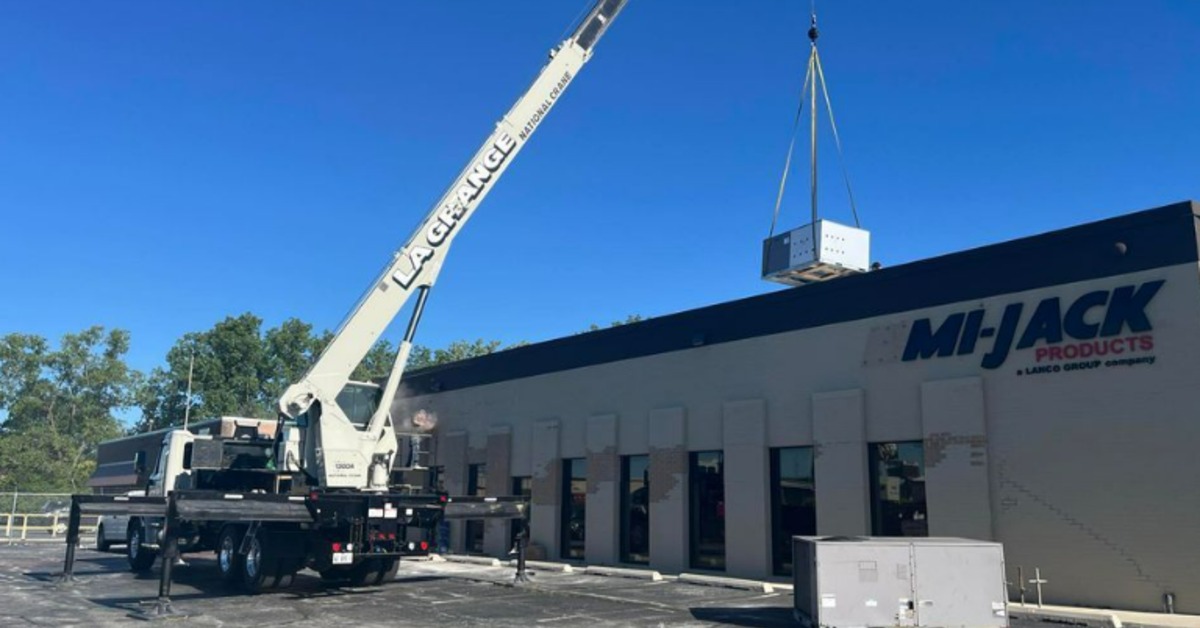
Their four-wheel-drive systems and large tires help them navigate suitable construction and industrial terrain. Hydraulic telescopic booms provide adjustable reach for different lift configurations. Outriggers create a stable setup when deployed according to manufacturer requirements on adequately supported ground.
Find the Right Rough Terrain Crane for Your Industry
The industries that commonly utilize rough terrain cranes demonstrate just how adaptable these machines can be. From utility installations to industrial maintenance and construction projects, each application presents distinct lift demands. Successful crane selection starts with a clear assessment of the load, terrain, required reach, and available setup space. La Grange Crane Service helps contractors find rough terrain cranes for rent in Chicago that match their projects. Check your lift requirements and explore crane rental options for your next project.
