

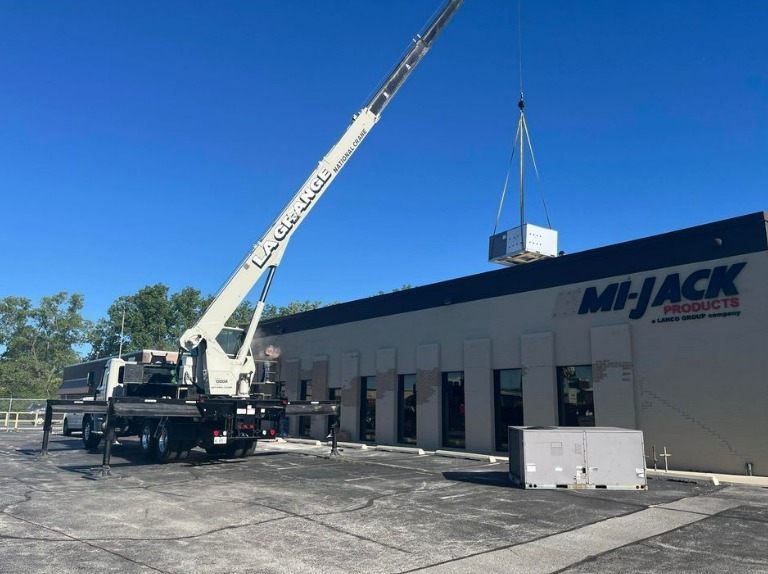
Manufacturing plants operate on tight production schedules, so even a minor equipment delay can disrupt an entire workday. Heavy machinery, crowded production floors, and limited access points add another layer of complexity to equipment moves. Every lift deserves a plan that accounts for the facility’s layout, equipment specifications, and daily operations. Follow our guide to specialized lifting needs for manufacturing plants to select suitable equipment and coordinate projects with fewer disruptions.
Heavy Machinery Requires Precise Load Management
Manufacturing equipment comes in countless shapes and sizes, from compact industrial presses to massive production assemblies. These machines may have uneven weight distribution, delicate components, or unusual attachment points that complicate transport. A lift that appears straightforward on paper can become much more complex once crews examine the equipment.
Accurate load information provides the foundation for a practical lift plan. Contractors need verified equipment weights, center-of-gravity details, and approved lift points before selecting a crane. Manufacturer documentation can provide useful guidance, particularly for machinery with specialized transport requirements.
Crane capacity also depends on boom configuration, lift radius, and other job-specific conditions. A machine’s weight alone doesn’t determine the crane selection. Crews must consult the appropriate load chart and account for rigging equipment before proceeding.
Limited Floor Space Creates Unique Challenges
Manufacturing facilities rarely have large, empty areas available for crane operations. Production lines, storage racks, utility connections, and permanent equipment can restrict access throughout the property. Even outdoor areas may contain loading docks, delivery routes, or structures that limit crane placement.
These obstacles demand careful coordination before equipment arrives. Contractors should review access routes, available clearance, and potential obstructions during the initial site assessment. A detailed layout helps identify suitable crane positions and possible adjustments to the lift plan.
For example, a facility may need to replace a large machine near an exterior wall. The crane could require a position outside the structure, with the load transferred through an approved access opening. That approach requires a thorough review of reach, clearance, structural limitations, and load control.
Rough Terrain Cranes for Industrial Properties
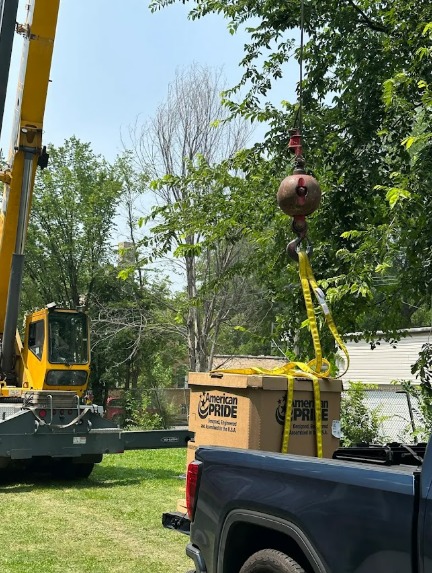
Rough terrain cranes can serve industrial projects with uneven outdoor surfaces and suitable access. Their maneuverability makes them useful for certain plant expansions, equipment replacements, and construction activities. Contractors still need to evaluate ground conditions, crane dimensions, and the available setup area.
These cranes aren’t suitable for every indoor or restricted-access application. Their use depends on site conditions, manufacturer requirements, and the specific lift plan. A professional equipment review helps determine their suitability.
All-Terrain and Crawler Crane Options
All-terrain cranes offer another option for manufacturing projects that require substantial lift capacity and access across different site conditions. Their configurations can support major equipment moves and facility construction projects. Crane selection must still account for access, setup space, and load-chart limitations.
Crawler cranes may suit larger industrial projects with suitable ground conditions and sufficient room for assembly and operation. Their capabilities can support extensive construction or plant expansion work. Each project deserves an equipment recommendation based on actual site requirements.
Production Schedules Influence Crane Operations
A manufacturing plant can’t always stop production for a machinery replacement. Equipment moves may need to occur during scheduled maintenance periods, weekends, or temporary shutdowns. Contractors must coordinate lift activities around the facility’s operational priorities.
Early communication helps plant managers prepare affected departments and allocate appropriate work areas. Maintenance teams may need to disconnect utilities, remove nearby equipment, or establish temporary access routes. These preparations can reduce unnecessary delays once the crane arrives.
A coordinated schedule should also account for equipment delivery, crane setup, rigging inspections, and post-lift activities. Each phase requires adequate time, particularly when crews operate near active production areas. Rushed schedules can create avoidable hazards and expensive interruptions.
Specialized Rigging Protects Industrial Equipment
Industrial machinery doesn’t always provide convenient attachment points for standard rigging arrangements. Certain loads require engineered lift fixtures, spreader beams, or other approved equipment to distribute forces appropriately. The selected configuration must suit the load’s geometry and manufacturer specifications.
For instance, a long production assembly may require multiple attachment points to maintain its intended orientation. A spreader beam can help manage sling angles and prevent excessive forces on designated lift points. Qualified personnel should evaluate the arrangement before the lift begins.
Equipment protection extends beyond the rigging itself. Crews must consider nearby structures, sensitive components, and available clearance throughout the load path. Controlled movements and clear communication help prevent contact with surrounding machinery.
Plant Safety Requires Detailed Site Coordination
Manufacturing environments introduce hazards that may not exist on conventional construction sites. Overhead utilities, energized equipment, confined work areas, and nearby personnel can complicate crane operations. These conditions require careful hazard assessments and appropriate protective measures.
Contractors should establish designated work zones and coordinate access restrictions with facility representatives. Employees outside the lift operation need clear instructions about restricted areas. OSHA requirements and applicable site procedures must guide the work.
Communication also deserves attention. Crane operators, riggers, signal persons, and plant supervisors need an agreed-upon communication process. Clearly assigned responsibilities help crews respond consistently throughout the operation.
Ground Conditions and Structural Limits
Manufacturing properties may feature paved yards, underground utilities, service tunnels, or buried infrastructure. These conditions can affect the suitability of a proposed crane setup location. A paved surface alone doesn’t establish adequate support for crane loads.
Site evaluations should consider allowable ground pressure, underground structures, and the crane’s outrigger or crawler loads. Appropriate support materials and engineered assessments may be necessary. The final configuration must satisfy equipment specifications and applicable safety requirements.
Structural restrictions also matter when loads travel near buildings or through designated openings. Contractors should verify clearance dimensions and coordinate any structural modifications with qualified professionals. Accurate measurements prevent unpleasant surprises on lift day.
Prepare for Unexpected Site Constraints
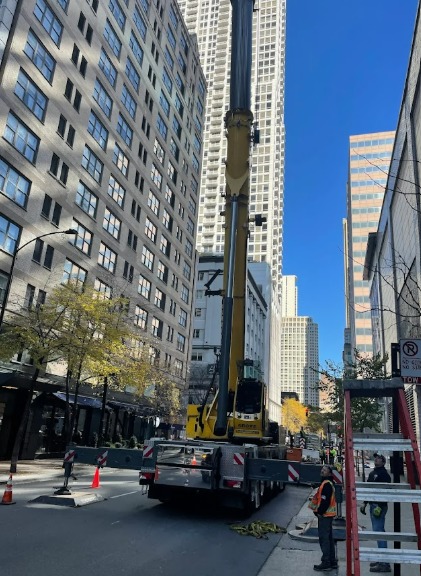
Looking at specialized lifting needs for manufacturing plants requires examining site constraints. Even carefully planned industrial projects can encounter unexpected obstacles. Equipment dimensions may differ from preliminary records, access routes can change, or production activities may restrict the original work area. These developments can affect the planned crane configuration.
Contractors benefit from verifying site details before mobilization and communicating changes promptly. Updated measurements, equipment documentation, and revised schedules help teams evaluate alternatives. Any material change to the lift plan deserves appropriate review before operations resume.
A realistic project timeline should accommodate inspections and necessary adjustments. Preparation gives crews the opportunity to resolve concerns before they affect equipment movement. That flexibility supports a more controlled operation. Find the hardware for your next project with heavy crane services in Chicago.
