

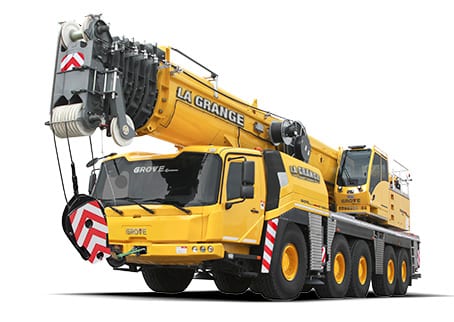
A job site doesn’t need acres of open ground to call for serious lift capacity. Urban construction, commercial renovations, industrial facilities, and crowded developments can leave crews with narrow access points and very little room for error. Under those conditions, crane selection deserves careful thought before equipment arrives. Determine how to pick the best crane for tight job sites using our comprehensive guide today.
Assess the Space You Actually Have
Crane selection should begin with the physical limits of the property rather than the maximum capacity listed on an equipment chart. Measure access roads, gates, alleys, work zones, and other areas the crane may need to pass through. A machine that handles the planned load still won’t help much if it can’t reach the setup area.
Look above the site as well. Buildings, utility lines, trees, temporary structures, and other obstacles can restrict usable boom space. A site may appear roomy at ground level, but become much tighter once the crane starts work. Contractors should also account for nearby crews, material storage areas, trucks, and other equipment. Every piece of the site competes for space. A realistic site plan helps reveal how much room the crane can actually use.
Consider Crane Setup Requirements
The crane itself is only part of its total footprint. Outriggers, counterweights, mats, and other setup components can require additional room around the machine. That extra space deserves attention on narrow streets, compact commercial properties, and sites next to active structures.
Ground conditions matter here as well. Crane setup requires a suitable surface capable of supporting the equipment and planned operation. Underground utilities, vaults, trenches, recently disturbed soil, and similar site features deserve review before the crane takes position. This is one area where early coordination pays off. Site details can help the crane provider determine what equipment suits the available setup zone before rental day arrives.
Match Capacity to the Lift
A compact work area doesn’t mean load requirements become less demanding. Contractors still need to account for load weight, lift radius, boom configuration, and crane capacity under the planned conditions. Crane capacity can change as the load travels farther from the machine. For example, an HVAC unit placed close to the crane presents a different lift than the same unit set on the far side of a commercial roof.
Equipment selection needs to reflect the real lift path rather than load weight alone. Provide accurate load information to the crane company as early as possible. Details about dimensions and placement also give the rental provider a clearer picture of the job.

Look Closely at Required Reach
Limited crane access can place the machine farther from the load than crews might prefer. That makes reach a major part of equipment selection. A crane may need to work over a wall, roof edge, parked equipment, or another part of the structure before the load reaches its destination.
Boom length alone doesn’t tell the full story. The relationship between boom configuration, radius, load weight, and site geometry shapes what the crane can accomplish. Think through the lift from pickup to final placement. This approach can expose obstacles that aren’t obvious from a basic site measurement.
Account for Access Before Rental Day
A crane’s route into the property deserves as much attention as its final setup location. Tight turns, narrow gates, low clearances, parked vehicles, construction fencing, and restricted streets can all affect site access. Suppose the setup zone has plenty of room, but the only entrance requires a sharp turn between two buildings.
That access point could narrow the equipment choices considerably. Identifying the restriction early gives the contractor and crane provider more time to plan around it. Delivery logistics also matter on active sites. Crews may need to coordinate other equipment, materials, or vehicles so the crane has a clear route when it arrives.
Think About Mobility Across the Site
Some projects call for one setup and a limited number of lifts. Others require the crane to move around a site as work progresses. That distinction can influence the type of crane best suited for the job.
Rough terrain cranes can suit construction environments where site conditions call for equipment designed for off-road use. Their characteristics can make them a practical option for certain compact or undeveloped work areas, provided the selected crane fits the lift plan and available space. The job itself should drive the choice. A crane that suits one congested property may not suit another site with different access, ground, or lift requirements.
Plan Around the Full Work Zone
Crane selection shouldn’t treat the machine as an isolated piece of equipment. The entire work zone needs room to function. That includes personnel, rigging activity, delivery vehicles, material staging, and other trades nearby.
On a crowded project, poor coordination can turn a workable crane setup into a bottleneck. Materials stacked in the wrong place or a delivery truck parked along the crane route can reduce already limited space. A clear plan gives every crew a better idea of where equipment and materials belong. It also helps preserve the space allocated to crane operations throughout the lift.
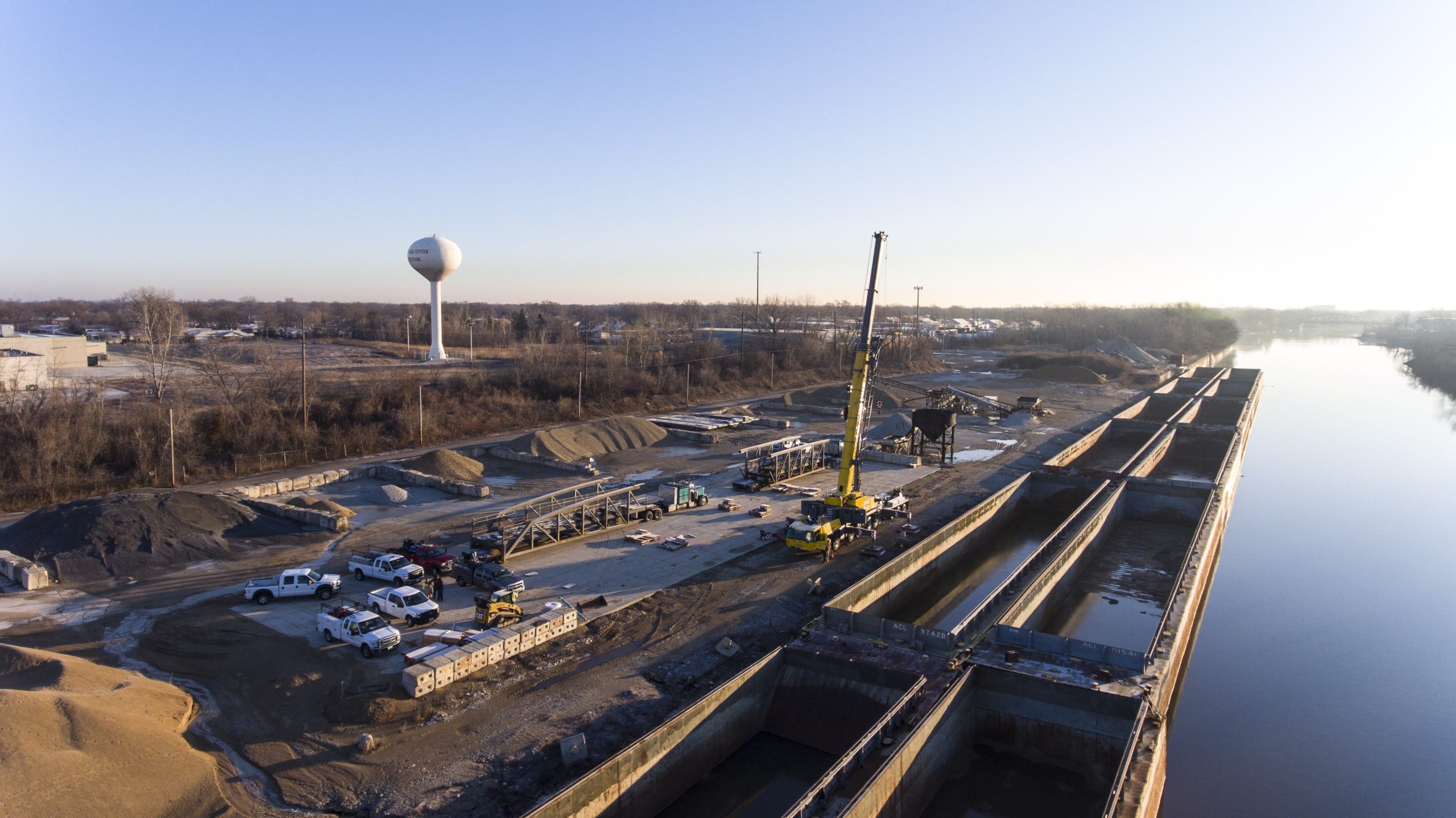
Give Safety Proper Space in the Plan
Safety is also key to evaluating how to pick the best crane for tight job sites. Tight sites leave little tolerance for poor preparation. Contractors should identify site hazards, restricted areas, overhead obstacles, and ground concerns before crane operations begin.
A crowded site can also put more workers close to the lift area. Work zones and site procedures need to account for that proximity. OSHA requirements and the project’s lift procedures should guide the work rather than assumptions based on past jobs. Early site review gives the crane provider useful information and gives the contractor time to address conditions that could interfere with the planned operation.
Avoid Choosing Based on Size Alone
It’s easy to assume a smaller crane automatically belongs on a smaller site. In practice, crane selection has more layers than physical dimensions. A compact machine still needs enough capacity and reach for the planned lift.
At the other extreme, equipment with more capacity than the project requires may bring setup or access demands that don’t suit the property. The better approach balances crane dimensions with lift requirements and site conditions. That combination gives contractors a much more useful basis for equipment selection.
Crowded construction sites can support complex crane work when contractors evaluate the details before equipment arrives. Looking at the factors above creates a clearer picture than capacity alone ever could. Reserve your all-terrain crane rental in Chicago now to ensure you have the hardware you need to handle the site conditions.
