

Construction and industrial projects depend on the right lifting equipment. The choice between a crane and a derrick can affect productivity, site logistics, and project costs from day one. Each option brings unique strengths to the table, and the right fit depends on the type of work and available space. If you’re planning an upcoming project and need reliable lifting solutions, reach out to a trusted crane rental provider early in the process. Strong planning upfront can help your crew stay on schedule and avoid costly setbacks.
When contractors compare lifting equipment, the conversation frequently centers on mobility, capacity, and site conditions. That’s where the debate around cranes vs derricks helps discover the best option for your job site becomes relevant. Both serve the same general purpose of lifting and moving heavy materials, yet they operate in very different ways. Understanding those differences can help project managers choose equipment that aligns with project goals rather than forcing a job to fit the equipment available.
What Is a Crane?
A crane is a machine designed to lift, lower, and transport materials through a combination of cables, hydraulics, and mechanical systems. Modern cranes come in many forms, including rough terrain cranes, crawler cranes, truck cranes, and all-terrain cranes. Each type addresses specific site conditions and lifting demands.
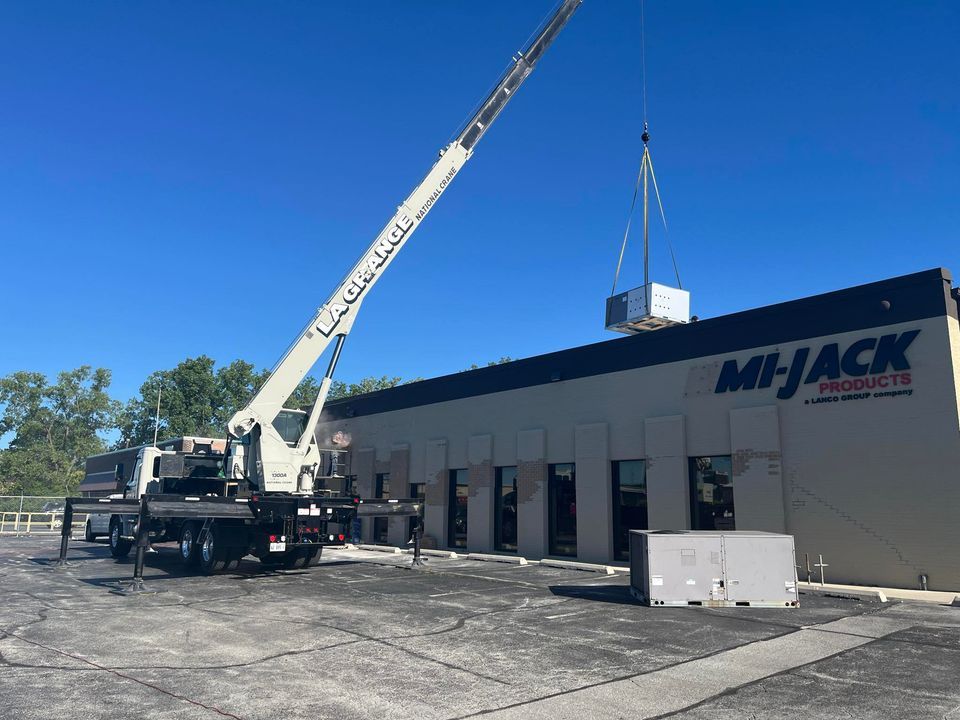
One reason cranes remain popular across construction sectors is versatility. A crane can arrive at a site, complete a series of lifts, and move to another location with relative ease. Contractors use cranes for steel erection, HVAC installation, infrastructure projects, precast concrete placement, and countless other tasks. Many cranes also offer advanced load monitoring systems, telescopic booms, and impressive lifting capacities. Those features allow crews to handle a wide variety of jobs with a single piece of equipment.
What Is a Derrick?
A derrick is a lifting device built around a mast or tower structure supported by guy wires, stiff legs, or other stabilizing components. Unlike cranes, derricks typically remain fixed in one location during operation. Their design focuses on lifting loads vertically and moving them within a defined radius.
Derricks have a long history in industries such as shipbuilding, oil and gas, and high-rise construction. Before the widespread use of mobile cranes, derricks served as a common solution for large lifting tasks in locations where equipment mobility was less of a priority.
Today, derricks still provide value on specialized projects. They can operate in confined areas and perform heavy lifts from locations where traditional crane access may prove difficult.
Mobility Creates a Major Difference
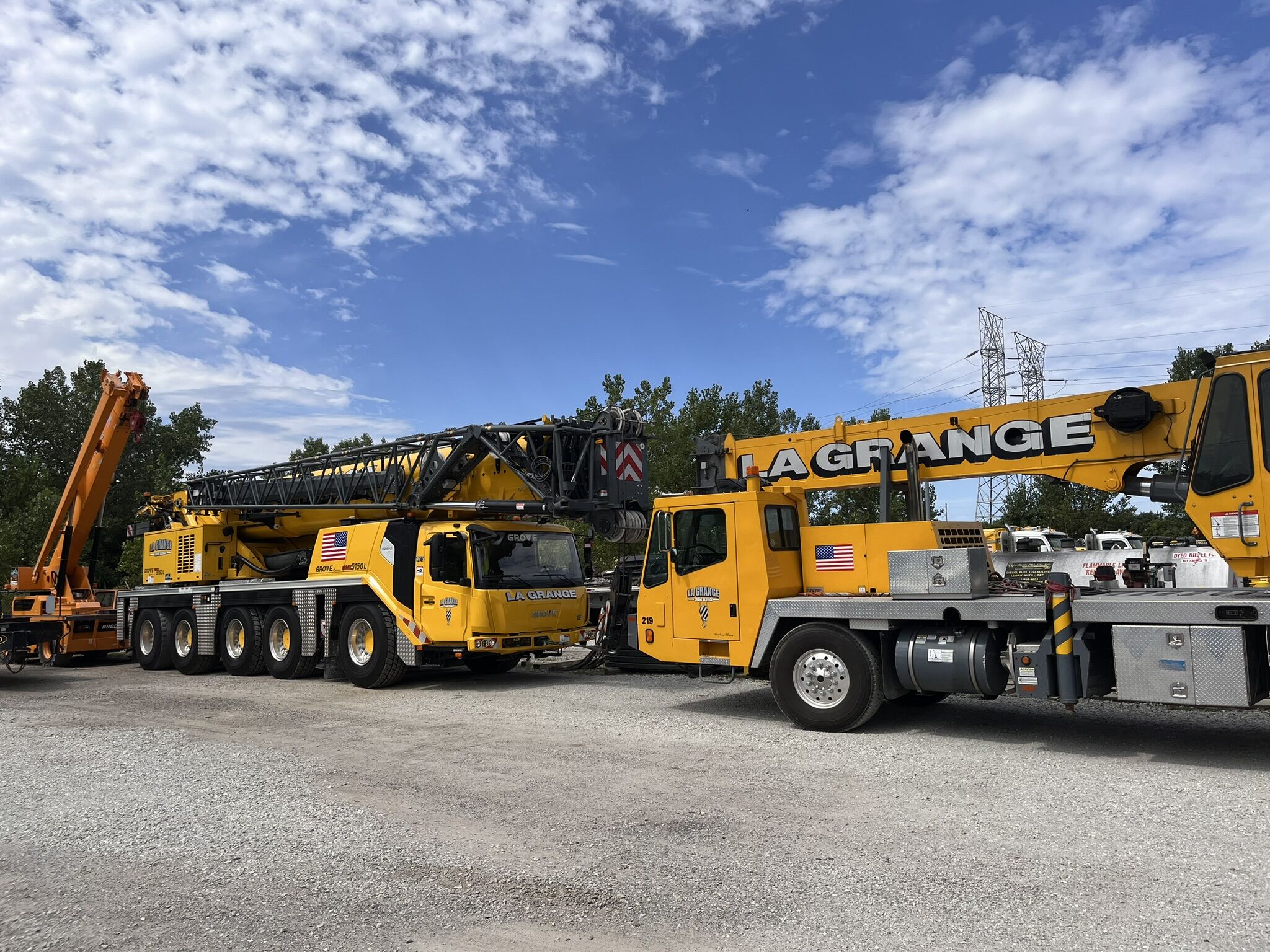
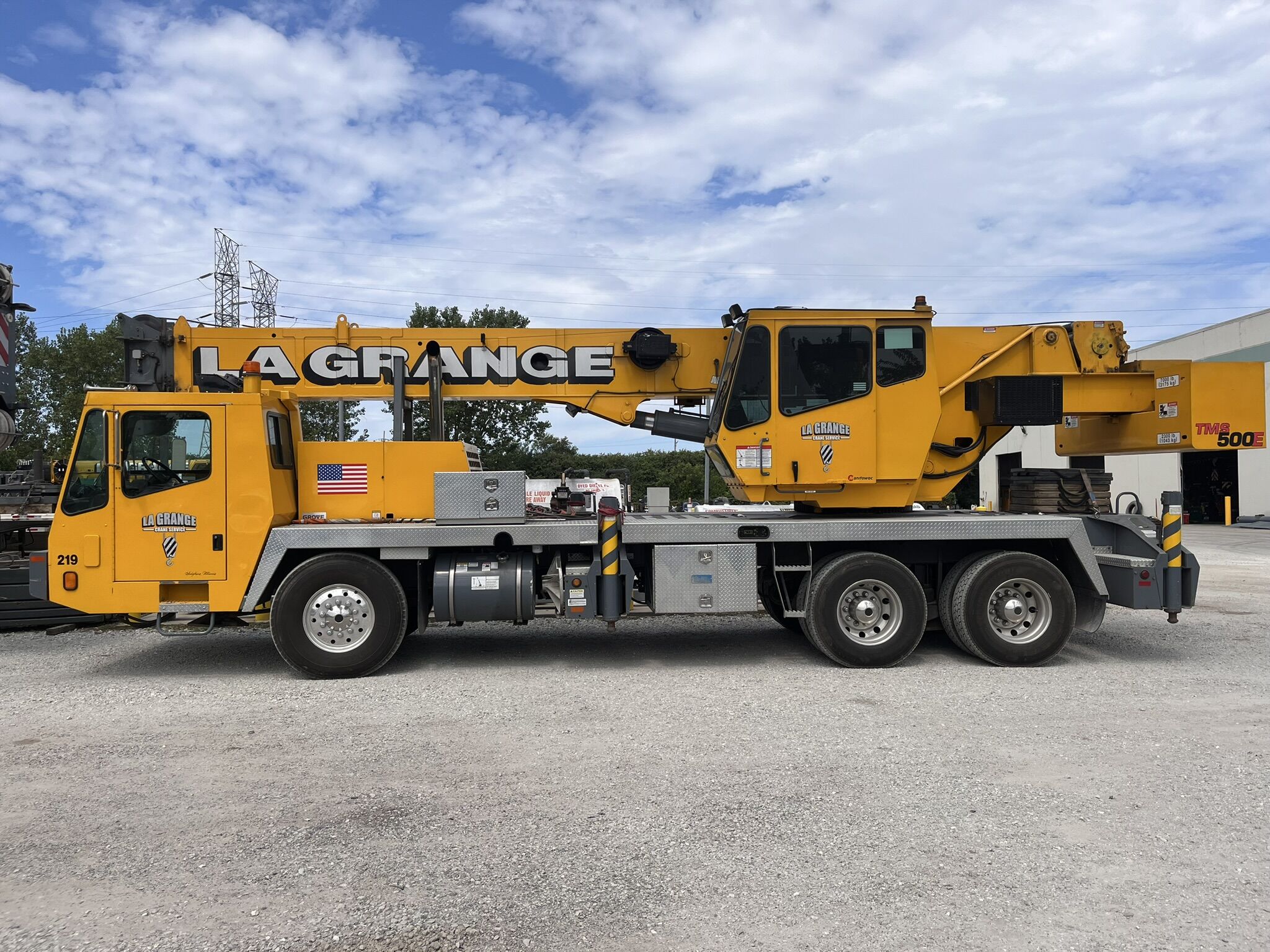
One of the largest distinctions between cranes and derricks involves mobility. A rough terrain crane can travel around a construction site and reposition as project demands change. Truck-mounted cranes can travel on public roads between locations. Crawler cranes move across prepared ground with impressive stability.
A derrick, on the other hand, remains largely stationary after installation. Relocating it usually requires substantial labor and planning. For projects that involve lifts across multiple areas, a crane generally offers greater flexibility.
Imagine a contractor building a commercial development with several structures spread across a large property. A mobile crane can support different phases of construction without extensive setup changes. A derrick would require a more fixed work zone, which may limit efficiency.
Space Requirements and Site Access
Job site conditions play a major role in equipment selection. Cranes need adequate room for setup, operation, and swing radius clearance. Larger cranes may require substantial staging areas and access routes. That isn’t always a challenge on open construction sites, but urban environments can present obstacles.
Derricks can excel in locations with restricted access. Since they rely on a mast structure rather than a large mobile carrier, they may fit into spaces where cranes face limitations. Rooftop work, certain industrial facilities, and congested urban projects occasionally benefit from derrick systems.
Choosing which is best for your job site, cranes or derricks, is important to consider for each job site. Every site presents unique constraints. Evaluating available space before equipment selection helps avoid surprises after work begins.
Capacity and Lifting Performance
You can schedule truck-mounted crane rentals in Chicago, and one of the most important details to consider is lifting abilities. Both cranes and derricks can handle substantial loads. The best option depends on project specifications rather than broad assumptions.
Modern cranes cover an enormous range of lifting capacities. Contractors can rent equipment tailored to small commercial work or massive infrastructure projects. That flexibility makes cranes a practical solution across many industries.
Derricks also perform exceptionally well under specific conditions. Some derrick systems support heavy loads in locations where crane positioning isn’t feasible. Their fixed design can provide excellent lifting capability within their operating range. Instead of focusing solely on maximum capacity, project teams should evaluate lift height, radius, load weight, and site conditions together.
Setup Time and Project Scheduling
Project schedules rarely leave room for delays. Many mobile cranes can arrive, complete setup, and begin work within a relatively short timeframe. The exact process depends on crane size and project requirements, but mobility contributes to faster deployment in many situations.
Derricks generally require a more involved installation process. The mast, support systems, and stabilization components must all be assembled before operations begin. That investment can make sense on long-duration projects where the equipment remains in place for extended periods. For shorter projects or jobs with multiple lift locations, cranes frequently offer a more efficient path forward.
Safety Considerations
Safety remains a top priority for every lifting operation. Both cranes and derricks require proper planning, trained operators, and adherence to industry standards. Crane operations involve factors such as ground conditions, load charts, weather conditions, and equipment inspections. Contractors must verify that the selected crane can perform lifts within rated capacities.
Derrick operations require similar attention to load calculations, structural integrity, and site-specific hazards. Because derricks depend heavily on their support systems, proper installation becomes a major part of safe operation. Successful lifting projects start long before equipment arrives. Thorough lift planning, communication among crews, and compliance with OSHA requirements help create safer job sites across all project types.
Before selecting lifting equipment, review project requirements with experienced professionals who understand site logistics and load demands. The right recommendation can save time, reduce complications, and help your project stay on track from start to finish. For dependable crane rental solutions backed by decades of industry experience, contact La Grange Crane Service and discuss the equipment that fits your next job site.
