

Construction sites rarely look the same from one project to the next. One crew may work on a muddy jobsite with deep ruts and uneven ground. Another team may handle steel placement downtown with tight streets and constant traffic nearby.
Contractors usually compare the differences between rough terrain and truck cranes during the planning stage because both machines handle heavy lifts but serve very different purposes. A clear understanding of those differences helps contractors avoid delays, wasted fuel, and unnecessary transportation costs. Use the guide below to learn how to choose your crane today.
What Is a Rough Terrain Crane?
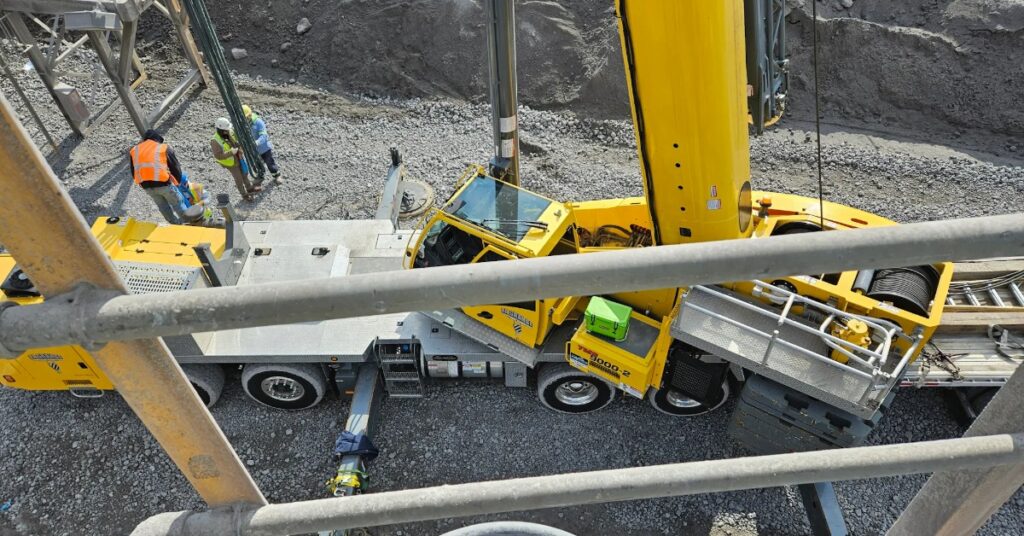
A rough terrain crane, sometimes called an RT crane, handles off-road conditions with ease. These cranes use large rubber tires and a compact body that travels across dirt, gravel, mud, and uneven ground without much trouble. Most RT cranes feature four-wheel drive and all-wheel steering, so operators can maneuver through crowded jobsites with less hassle.
Contractors usually bring rough terrain cranes onto construction sites before roads or paved surfaces exist. Wind farm projects, bridge construction, utility work, and industrial developments frequently rely on RT cranes because the terrain stays unpredictable throughout the job. A truck crane could struggle badly in those conditions.
The crane’s single-cab design also helps with visibility and control. Operators drive and run the crane from the same cab, which creates a more compact machine overall. That smaller footprint works well on crowded sites with limited room for movement.
RT cranes also set up fairly quickly. Outriggers stabilize the machine before lifting begins, and crews can reposition the crane around the site without major delays. That flexibility keeps projects moving at a steady pace.
What Is a Truck Crane?
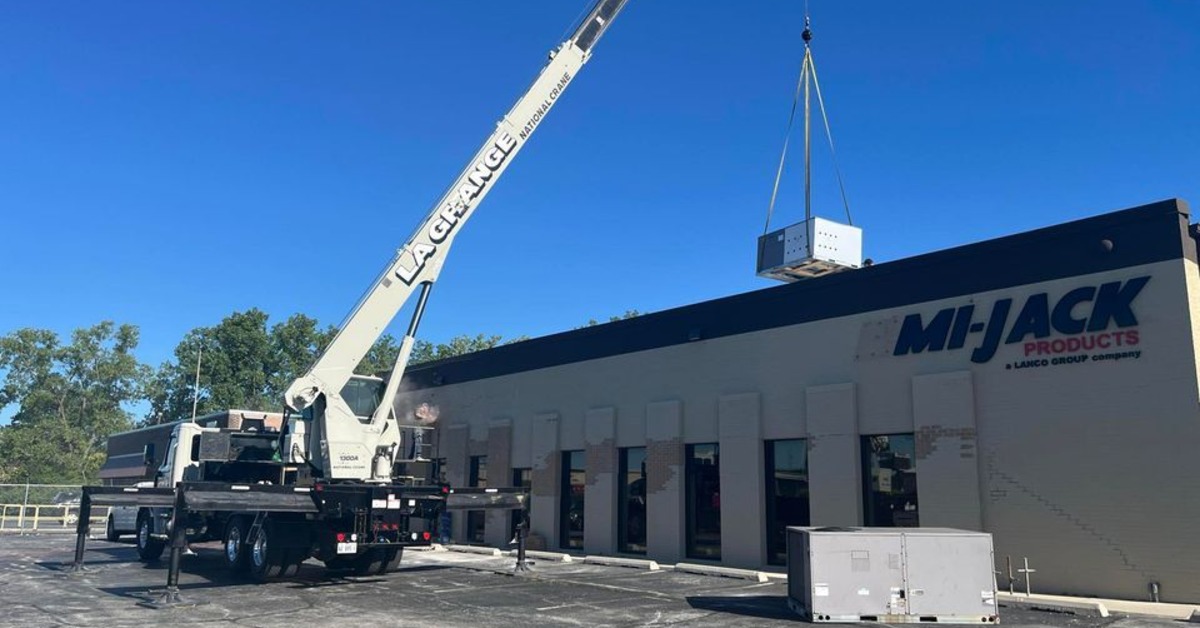
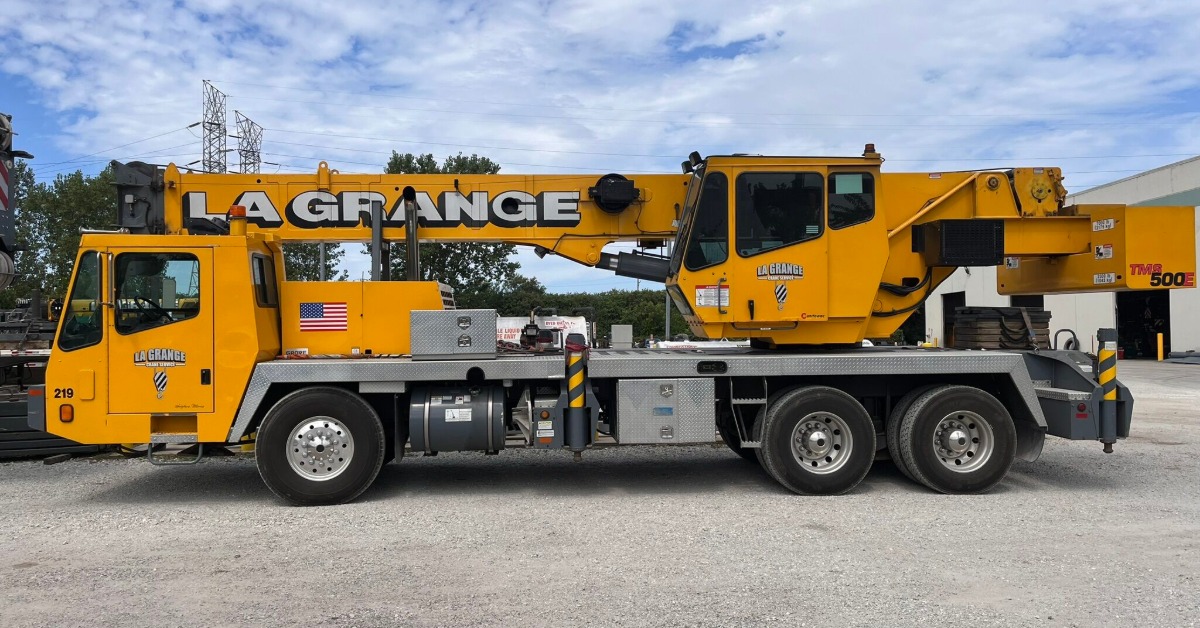
Truck cranes combine lifting power with road travel capability. The crane mounts directly onto a commercial truck chassis, which allows crews to drive the machine on highways and city streets without extra hauling equipment in many cases. That road-ready setup saves time between jobs. A contractor can move a truck crane from one location to another far faster than most rough terrain cranes.
Urban construction companies appreciate that mobility because city projects frequently involve multiple stops across different locations. Truck cranes also perform very well on paved surfaces. Downtown construction, commercial HVAC installation, precast placement, and roadside utility work commonly involve truck cranes because those environments suit the machine’s design perfectly.
The operator cab usually sits separate from the driving cab. One section controls travel, and the other controls lifting operations. That setup creates a larger overall machine compared to many RT cranes, though it improves comfort during highway travel. These cranes also handle longer travel distances better. Contractors with projects spread across large metro areas usually appreciate the convenience that truck cranes provide.
Mobility Creates the Biggest Difference
The largest distinction between rough terrain cranes and truck cranes comes down to mobility. A rough terrain crane thrives on unstable ground. Large tires, strong suspension systems, and compact dimensions allow the machine to travel across unfinished jobsites without much trouble.
Crews working near trenches, muddy paths, or rocky surfaces benefit from that off-road capability immediately. Truck cranes tell a different story. They excel on paved roads and developed surfaces.
A truck crane can leave one project, travel several miles across town, and arrive ready for another lift with minimal downtime. That transportation advantage saves contractors both time and money. Picture a contractor working on a remote pipeline installation surrounded by dirt roads and loose soil. An RT crane handles those conditions far better than a truck crane.
Now picture a roofing contractor handling equipment placement across several commercial buildings throughout Chicago. A truck crane would fit that workload easily. The project environment usually points crews toward the correct crane pretty quickly.
Setup and Transport Requirements
You can schedule rough terrain crane rentals in Chicago right now, and one of the most important details to consider is the transportation details. Truck cranes usually travel legally on public roads without additional hauling equipment. That feature cuts down transportation expenses and speeds up project scheduling.
Contractors with shorter lift durations appreciate that convenience because the crane arrives, completes the work, and heads to the next site quickly. Rough terrain cranes normally require transport trailers for long-distance travel. These cranes aren’t built for highway speeds or extended road travel.
A hauling crew transports the machine to the site before work begins. That extra transportation step sounds inconvenient at first, though the tradeoff pays off once the crane reaches rough ground. RT cranes move around unfinished sites far better than truck cranes ever could.
Setup times also differ slightly. RT cranes generally deploy quickly once unloaded because the machine already sits designed for difficult site conditions. Truck cranes still set up efficiently, though paved access remains far more favorable for those machines. Contractors usually balance transportation needs against jobsite conditions before selecting either crane type.
Lift Capacity and Reach
Both crane types handle heavy lifts, though the job itself usually determines the better fit. Rough terrain cranes perform extremely well in confined areas with shorter travel paths around the site. Many RT cranes offer excellent lifting strength despite their compact size.
Industrial facilities and energy-sector projects rely heavily on them for that reason. Truck cranes typically provide strong reach capabilities for projects near roads or paved surfaces. Their boom lengths help crews place materials higher and farther without repositioning the crane repeatedly.
A downtown steel erection project may favor a truck crane because street access already exists and the reach helps crews place beams efficiently. On the other hand, a refinery expansion with dirt access roads and uneven surfaces would favor an RT crane immediately.
The lift chart always matters more than assumptions. Contractors should never choose a crane based solely on appearance or size. An experienced crane rental provider reviews load weight, radius, ground conditions, and site access before recommending equipment.
Operator Visibility and Site Navigation
Navigation plays a huge role in crane efficiency, especially on crowded sites. Rough terrain cranes handle tight turns and cramped paths very well. Their steering systems allow operators to maneuver through narrow work areas with less frustration.
Construction crews working around partially completed structures appreciate that flexibility every day. The compact design also helps operators maintain better awareness of nearby obstacles. Dirt piles, trenches, stacked materials, and temporary fencing create constant navigation challenges on active jobsites.
Truck cranes work best in open access areas with stable pavement. Tight maneuverability usually takes more planning due to the crane’s larger footprint. That doesn’t limit the machine’s usefulness, but crews still need proper space for setup and operation. Urban projects typically involve street closures, cones, and traffic coordination for truck crane work. RT cranes usually avoid those issues because their jobsites tend to stay off public roads.
Making Your Final Decision
So, when you’re looking at rough terrain and truck cranes, what’s the difference? At the end of the day, neither crane type ranks above the other across every project. The real answer depends on where the work takes place and what the lift demands look like.
Rough terrain cranes dominate uneven jobsites with dirt, gravel, mud, and limited access. Their compact size and off-road capability help crews stay productive in tough environments. Truck cranes shine on paved roads and urban projects where quick transportation between sites matters most. Use the guide above to ensure you choose the best crane for every jobsite.
