

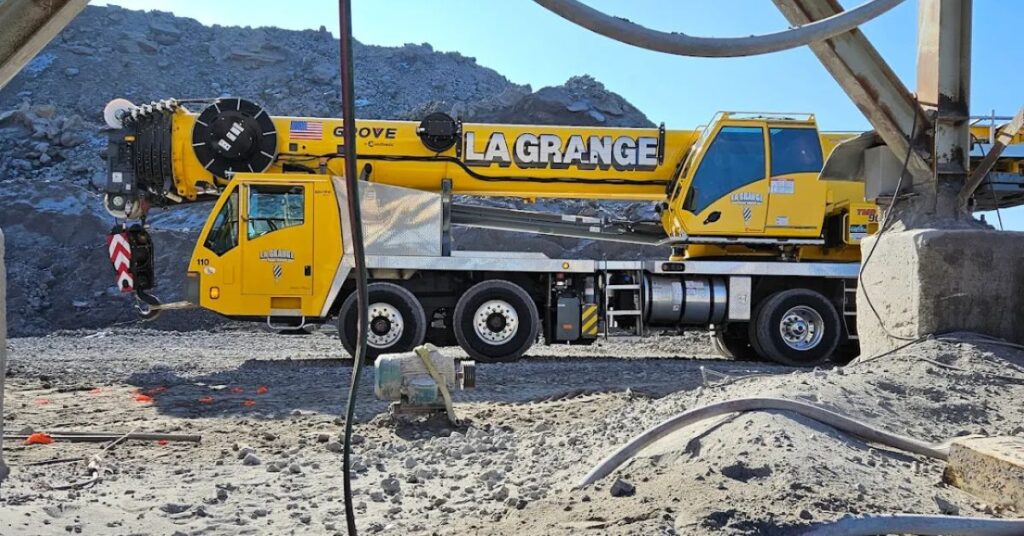
Construction sites rarely offer perfect ground or wide-open space. Mud, gravel, slopes, and tight layouts tend to shape the work more than anyone would like. That’s where rough-terrain cranes with telescoping booms come into play. If you’re mapping out your next lift, take a moment to look at the benefits of telescoping rough-terrain cranes and see how the right machine can raise productivity and safety.
Built for Tough Ground Conditions
Rough-terrain cranes already bring muscle and mobility to the jobsite. Add a telescoping boom, and you gain reach and flexibility without the need for complex setup. For contractors who deal with uneven ground and shifting priorities, that combination delivers real advantages.
Rough-terrain cranes come with large rubber tires and higher ground clearance. That design allows them to travel across dirt, gravel, and unfinished surfaces with confidence. Instead of relying on paved access roads, crews can position the crane closer to the lift zone. Less repositioning means tighter coordination and smoother workflow.
Telescoping booms pair well with that mobility. Once the crane sits in place, the operator can extend the boom to reach loads at different distances and heights. There’s no need to swap out boom sections on site. That adaptability reduces downtime and keeps the project moving forward.
Faster Setup and Fewer Delays
Time shapes every construction schedule. Telescoping rough-terrain cranes help crews stay on track through quick deployment. The crane arrives, stabilizers deploy, and the boom extends to the required length. There’s no need for lattice assembly or complex configuration steps.
This streamlined process suits jobs that require multiple lifts in different areas during the same day. A crew can reposition the crane and extend or retract the boom as needed. That flexibility reduces idle periods and supports steady progress across phases of work.
For contractors who face tight deadlines, this type of efficiency supports a more predictable timeline. Less setup time translates into more time spent completing actual lifts.
Versatile Reach for Changing Jobsite Needs
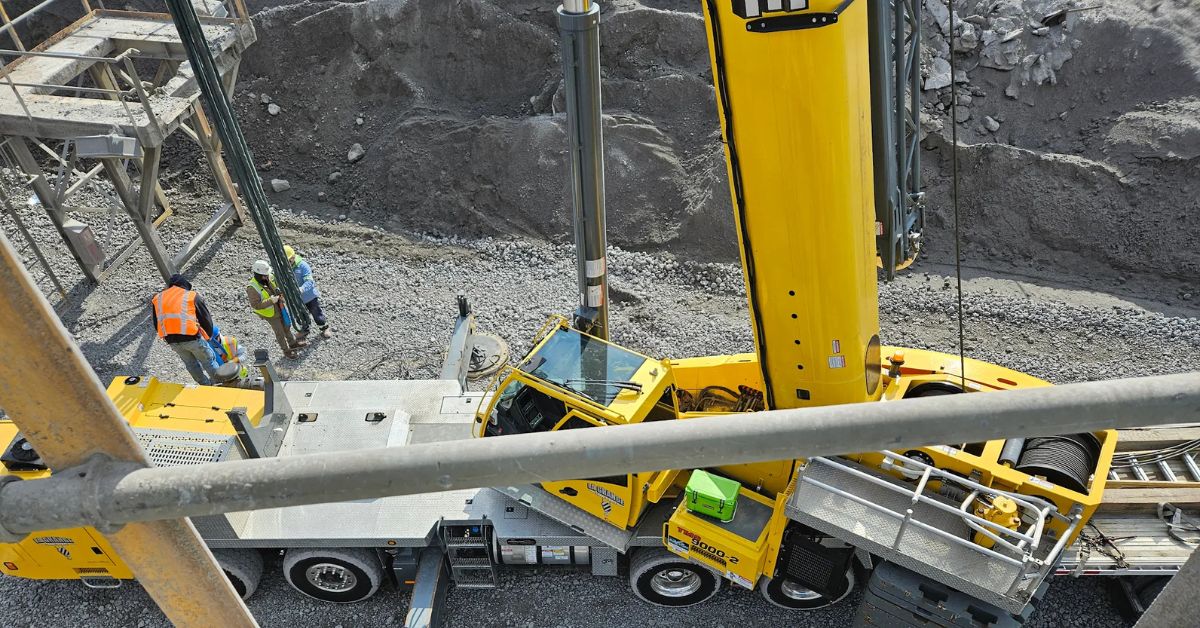
Telescoping booms extend and retract through hydraulic sections. That feature allows operators to adjust boom length based on load weight and distance. One crane can handle steel beams in the morning and HVAC units in the afternoon. The machine adapts to the task instead of limiting it.
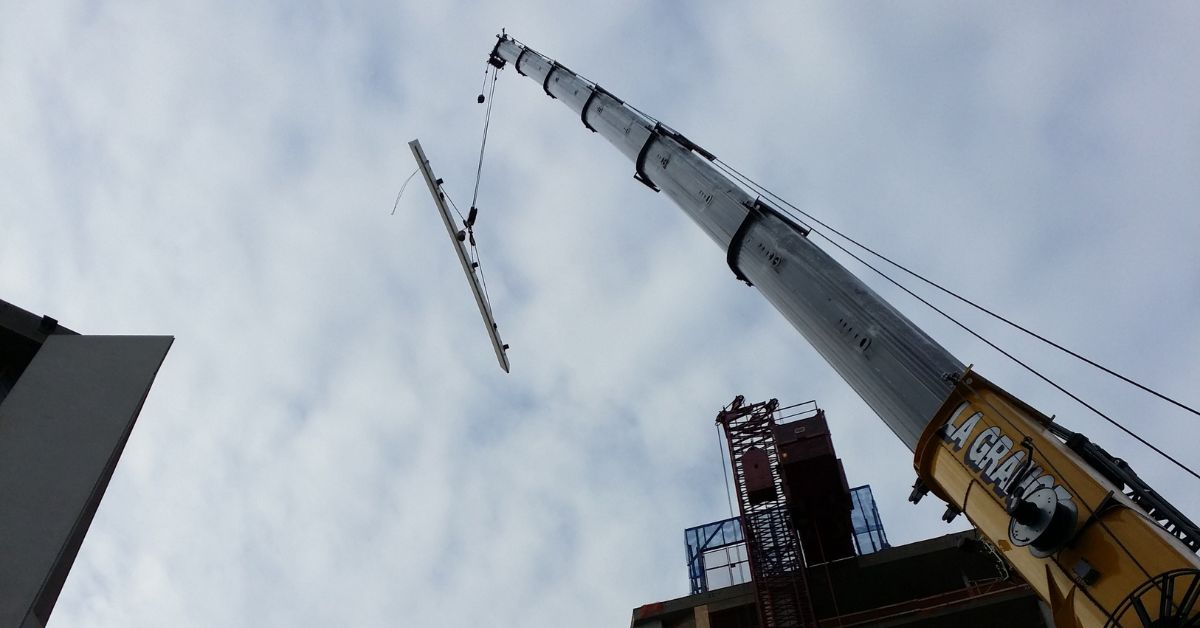
On projects with multiple elevations, such as commercial builds or industrial sites, that reach becomes especially valuable. A telescoping boom allows access to upper floors or roof areas without relocating equipment. Fewer moves across the site reduce congestion and support safer operations. This level of versatility supports contractors who want one crane to cover a wide range of lifts. It provides range without requiring additional machines.
Improved Maneuverability in Tight Spaces
Many urban and suburban projects take place in confined areas. Property lines, adjacent buildings, and stored materials reduce open space. Rough-terrain cranes feature compact frames compared to larger all-terrain models. That smaller footprint supports work in limited access areas.
When paired with a telescoping boom, the crane can lift loads over obstacles without extensive repositioning. The operator can extend the boom upward and outward to reach the target point. That capability supports precision lifts near structures or along property edges.
For contractors in dense areas like Chicago, that maneuverability adds practical value. The crane fits the environment rather than forcing major site adjustments.
Strong Lifting Capacity with Stability
Rough-terrain cranes deliver solid lifting power. Telescoping booms distribute that power across multiple sections, which allows the crane to maintain strength at various lengths. Stabilizers anchor the machine during lifts, which supports balance on uneven ground.
Safety plays a central role in every lift. OSHA guidelines stress proper setup and stable positioning. Telescoping rough-terrain cranes align well with these expectations through precisely controlled extension systems.
Operators can match boom length to load weight with precision. This controlled performance supports confident lifts across different job types. Contractors gain strength and stability in one package.
Reduced Equipment Requirements
Some projects require different lift heights and distances throughout the day. Instead of bringing multiple cranes or switching attachments, a telescoping rough-terrain crane can handle varied demands. One machine covers a broader scope of tasks.
That consolidation helps with site organization. Having fewer machines on site reduces congestion and coordination challenges. It also simplifies logistics such as transport and scheduling.
From a project management perspective, streamlined equipment usage supports clearer planning. When one crane can serve multiple roles, crews can focus on execution rather than constant equipment adjustments.
Enhanced Operator Control and Precision
When you look at the full picture, the benefits of telescoping rough-terrain cranes come down to mobility, adaptability, and controlled lifting power. These machines travel across rough ground, extend to reach changing heights, and support precise placement in confined spaces. They reduce setup time and limit the need for additional equipment. For busy contractors, that combination supports smoother jobsite operations.
Modern telescoping rough-terrain cranes include advanced control systems. Operators can extend the boom in measured increments and adjust angles with accuracy. That level of control supports careful placement of loads in tight or elevated areas. Precision reduces the chance of load sway or unintended contact with nearby structures. Clear visibility from the operator cab further supports controlled lifts.
When combined with proper training and safety protocols, this equipment design contributes to reliable jobsite performance. Contractors benefit from that control when projects demand accuracy, such as steel erection or mechanical placement. The crane responds to operator input with consistency.
Reliable Performance Across Project Types
From infrastructure upgrades to commercial builds, telescoping rough-terrain cranes support a wide range of industries. Their design suits bridge work, plant maintenance, utility projects, and general construction. One piece of equipment adapts to changing scopes across the year.
For contractors who manage varied project portfolios, that reliability supports long-term planning. The crane can serve repeat needs across seasons and job types. That consistency builds confidence in scheduling and crew coordination. Over time, dependable equipment becomes part of the workflow rather than a constant variable.
Why You Need Telescoping Rough-Terrain Cranes
Every project carries its own set of challenges. Equipment that adjusts to those challenges gives crews room to focus on execution. Telescoping rough-terrain cranes deliver that adaptability in a practical, field-tested format.
If you’re planning a lift that involves uneven terrain, limited space, or varied elevations, take a closer look at rough-terrain crane services available right now. Evaluate the load requirements, site layout, and schedule demands. With the right equipment strategy, your next project can move forward with greater confidence and control.
