

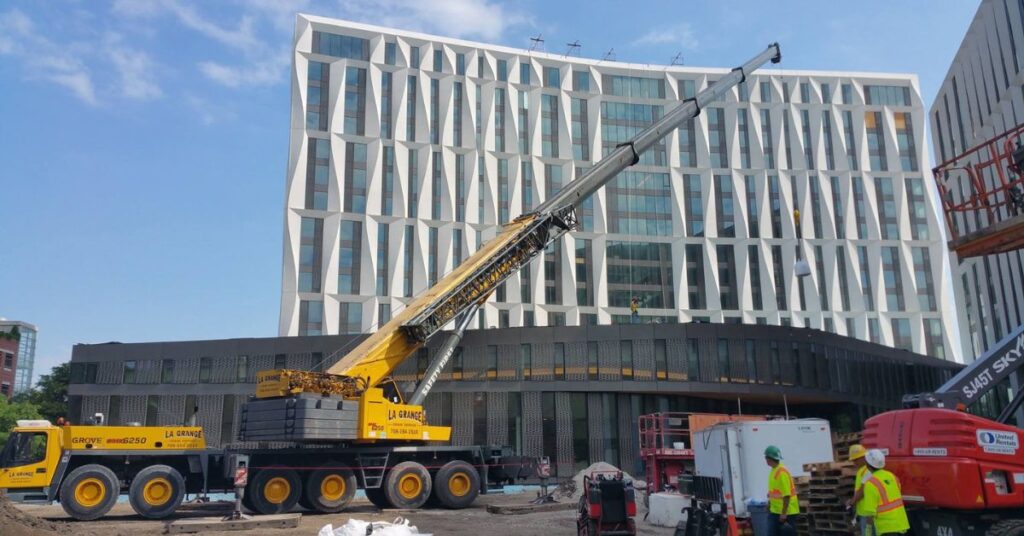
It’s no secret that construction sites are noisy. While you and your crew might not mind the noise, residents who live near the job site might feel differently.
Managing crane noise while working in residential areas is a real challenge, and it’s something contractors need to tackle thoughtfully to maintain good relationships with neighbors and to meet noise ordinance requirements.
That said, noise control is about more than compliance; it also shows professionalism and concern for community well-being. If you’re looking for effective ways to minimize construction noise and maximize productivity, here’s how you can do it.
Schedule Work During Permitted Hours
Timing is everything when it comes to managing crane noise. Most municipalities enforce strict rules about operating noisy equipment during specific hours, often designed to avoid disrupting a neighborhood’s peace and quiet. Typically, these noise-approved hours fall between mid-morning and early evening, giving you plenty of time to get the job done without waking up residents at dawn or disturbing their evenings.
Make it a priority to coordinate your operating schedule within these permitted timeframes. Many municipalities allow contractors to apply for special variances if extended hours are absolutely necessary, but working within normal hours is the best way to keep the peace with everyone nearby. Plus, clear communication with your team about the construction timeline can eliminate accidental schedule mishaps that lead to unwanted complaints.
Use Modern, Quieter Equipment
Crane technology has come a long way, and investing in or renting modern equipment can make a noticeable difference in overall noise levels. Newer models often feature noise-reduction technology, such as improved insulation around machinery that minimizes sound leakage.
For instance, cranes operating with hybrid or electric systems produce significantly less noise compared to their diesel counterparts. If your fleet still relies entirely on older equipment, upgrading even a few machines can help you reduce noise levels on-site.
Regular maintenance is equally important because worn-out machinery tends to produce more noise. Lubricating moving parts, tightening loose bolts, and replacing outdated components can keep operations quieter. While these upfront investments might stretch the budget a little, they can save you time and money in the long run by avoiding neighborhood complaints and potential municipal penalties.
Install Noise Barriers Around the Site
Physical barriers can work wonders for reducing construction noise. Temporary sound barriers, like acoustic panels or sound-deadening mats, are specifically designed to absorb and deflect noise away from nearby homes. Even fencing can help reduce the impact of crane noise if it’s paired with sound-blocking materials.
Consider using vibration dampeners for machinery, especially if the crane work involves repetitive, high-impact sounds. These dampeners can significantly reduce the level of vibration entering surrounding surfaces, which minimizes noise. The key is to position your sound barriers to limit noise seepage in areas closest to residential properties. Installing these barriers may take extra setup time, but they’re well worth it when you think about the smoother working environment they create.
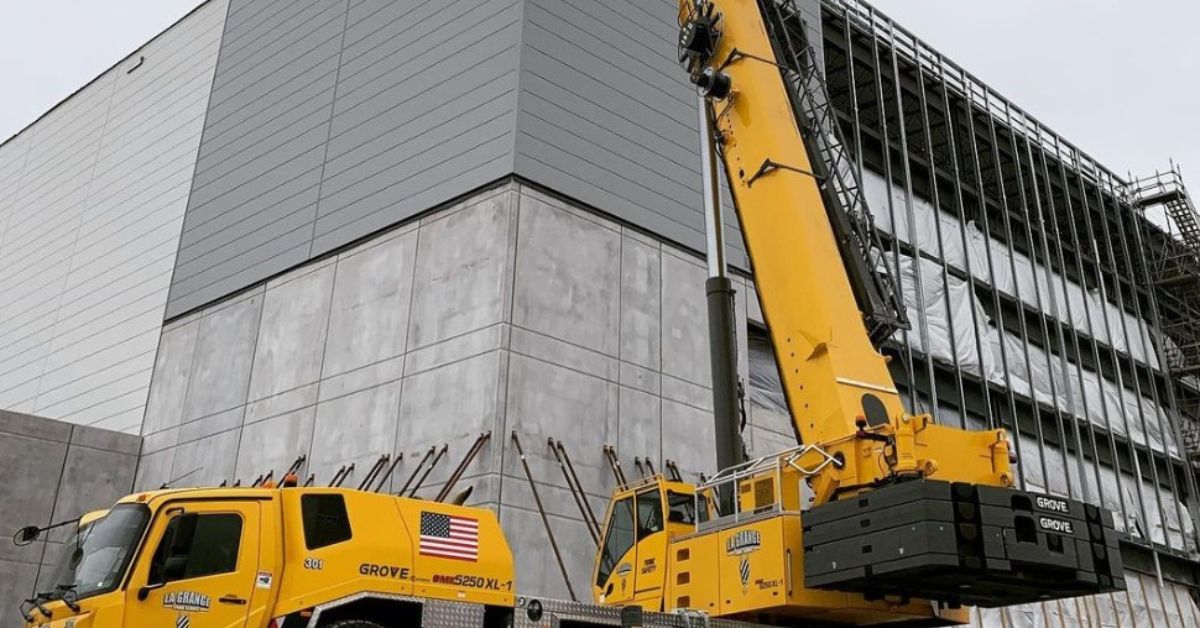
Plan Noise-Intensive Tasks Strategically
Some tasks are inherently noisier than others, and planning when to tackle these high-decibel activities is extremely beneficial. For example, mid-morning and early afternoon on weekdays are generally the best times for louder work since people are less likely to be at home during these hours.
Being strategic with your planning might require scheduling quieter duties during peak residential hours, like late evenings when families are winding down for the day, and shifting louder tasks to less disruptive times. Time management in this way doesn’t just help the neighbors; it also creates a more seamless workday for your team. A clear, well-thought-out schedule ensures that operations run smoothly without unnecessary interruptions, saving everyone a headache.
Communicate With Nearby Residents
When it comes to managing crane noise, a little communication goes a long way. Residents are much more forgiving of occasional disruptions if they’re informed about what’s going on ahead of time. Take the time to share your project schedule with the community, letting them know when to expect noise and for how long.
While simple flyers can do the trick, personalized notices are even better. Another effective approach is to include a contact number or email address for someone on your team who can address complaints or questions. Open and transparent communication builds trust with neighbors, reduces tensions, and shows that your team is willing to go the extra mile to keep everyone in the loop.
Limit the Duration of Noise-Heavy Operations
Few things irritate a neighborhood as much as constant, unrelenting construction noise. One way to combat this is by breaking up long, high-noise tasks into shorter intervals. For example, instead of running noisy machinery for hours, plan for regular breaks in between tasks.
This approach benefits nearby residents and gives your equipment time to cool down, extending its lifespan and reducing mechanical stress. Don’t forget to update the project timeline with these shorter intervals so that the schedule remains realistic and achievable. Balancing efficiency with noise control creates a win-win situation for the workers and the community.
Train Operators To Reduce Unnecessary Noise
Your crane operators play a crucial role in keeping noise levels in check. By educating them on noise-reducing best practices, you can significantly lower excess sound production on-site. For instance, remind operators to minimize engine idling when the crane isn’t in use and to refrain from unnecessary revving.
Proper handling techniques also help. Smooth control of machinery prevents noisy jolts that can often come from abrupt starts or stops. Offering training sessions on efficient crane operation can empower your team to work smarter and quieter. It’s a small effort that can drastically improve both on-site performance and community relations.
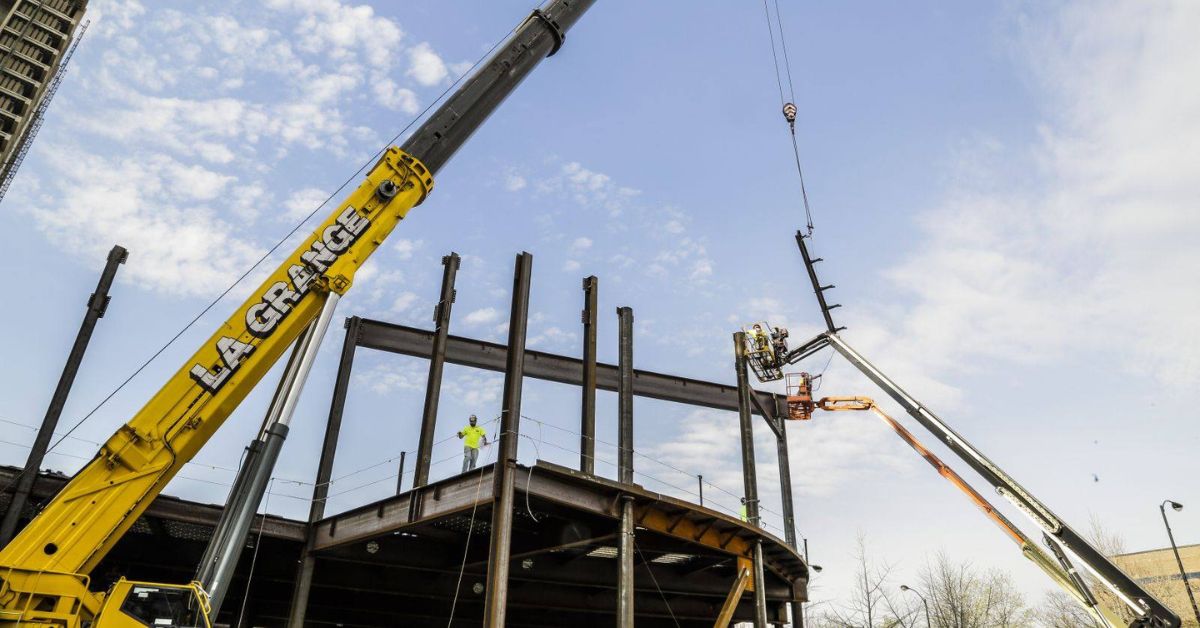
Monitor and Adjust Noise Levels Regularly
An essential step in managing crane noise is actively monitoring it. Using sound-level meters to measure the decibel levels at your construction site’s perimeter is a proactive way to ensure your operations stay compliant with local noise ordinances. Tools like these provide concrete data, allowing you to make informed decisions when adjustments are needed.
For example, if a reading reveals that noise levels are nearing the legal limit, it might be time to reposition the crane, add additional sound barriers, or reschedule noisy work for a better time. Regular monitoring shows that you’re taking the noise issue seriously, which goes a long way in maintaining a positive relationship with the community.
Keep the Peace and Get the Job Done
Managing crane noise while working in residential areas doesn’t have to be overly complicated. By planning smarter, using modern tools, and fostering open communication with residents, your team can minimize disruptions while staying on schedule. Implementing these strategies reflects professionalism and an understanding of the impact construction work has on the community. These small, thoughtful adjustments to your workflow can lead to smoother projects and happier neighbors on every construction site.
LaGrange Crane Service specializes in high-quality crane rentals that your operation can rely on. Contact our team today to learn about our rough terrain crane services and how we can support your project!
