

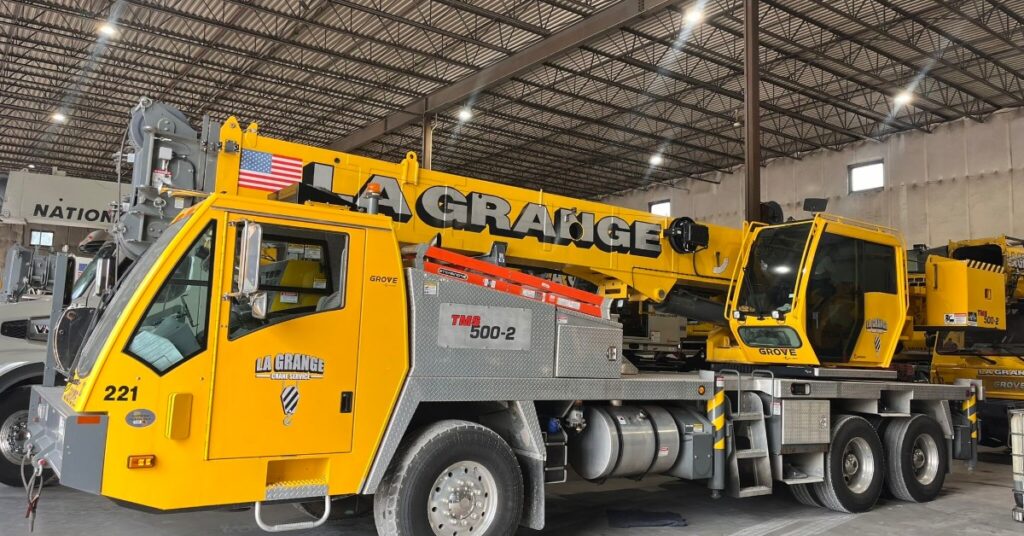
Large crane lifts demand careful planning, experienced operators, and equipment that fits the job. Every project comes with its own challenges, from restricted job sites to heavy structural components that leave very little room for error. The reasons modular counterweights matter on large crane lifts become clear once lift capacity, transportation, and site logistics all come into focus. Learn more about the power of counterweights now to see the role they play on your jobsite.
The Purpose of Crane Counterweights
Counterweights balance the force created when a crane lifts a load away from its center. Without enough counterweight, the crane could lose stability long before it reaches its rated lifting capacity. Every crane model comes with manufacturer-approved counterweight configurations that correspond to specific lift charts. Operators and lift planners rely on those charts to determine the proper setup before any work begins.
Large cranes use far more counterweight than smaller machines because their lifting capacities and boom lengths increase dramatically. A heavy load positioned hundreds of feet from the crane creates tremendous leverage. Counterweights offset that leverage so the crane remains stable throughout the lift.
What Makes Modular Counterweights Different
Traditional counterweight systems consisted of large, solid sections with very little flexibility. Modular counterweights divide the total weight into multiple individual slabs or sections. Each piece fits together to build the exact counterweight package required for a particular lift.
That flexibility gives contractors far more control over crane configuration. Instead of transporting one oversized counterweight assembly, crews deliver multiple smaller pieces that fit standard trailers. The crane receives only the amount of counterweight required for the planned work, reducing unnecessary transportation and setup challenges.
Lift Capacity Depends on Proper Counterweight Configuration
Counterweights directly affect how much weight a crane can safely lift. A crane equipped with the correct counterweight package reaches higher capacities than one equipped with less ballast. Lift planners calculate every variable before work begins, including boom length, operating radius, load weight, ground conditions, and counterweight configuration.
Picture a steel beam installation at a commercial construction site. One section of the project may require maximum lifting capacity for rooftop placement. Later that afternoon, another lift may involve lighter materials at a shorter radius. Modular counterweights allow crews to adjust the crane configuration so the equipment matches each phase of work instead of relying on one oversized setup all day.
Transportation Becomes Much More Practical
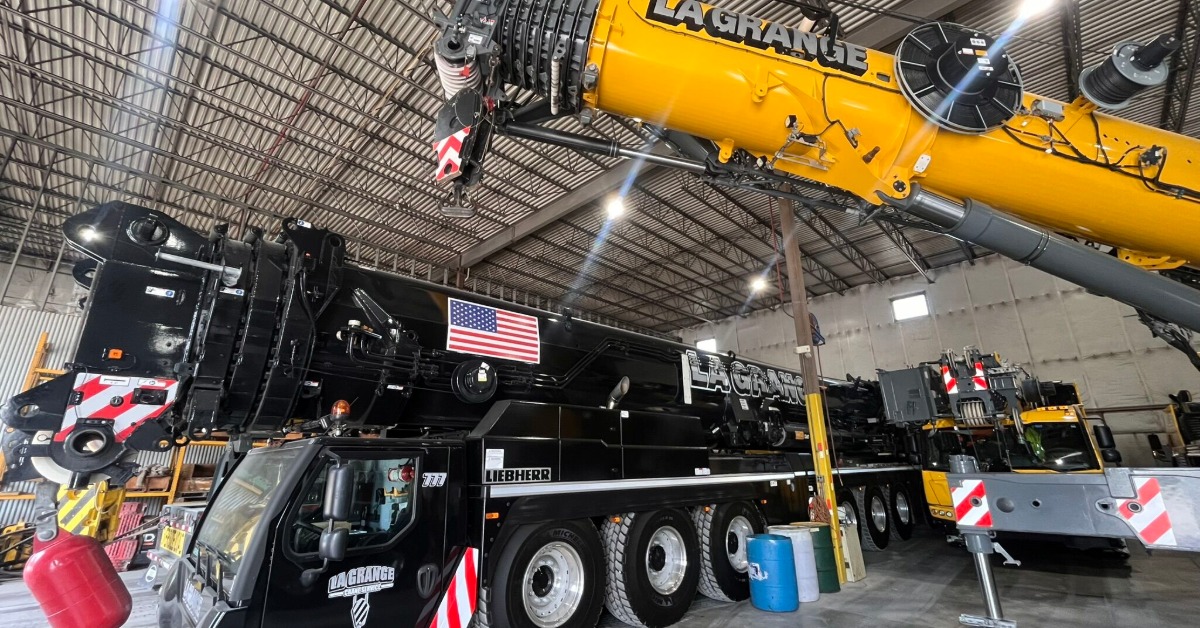
Another reason why modular counterweights matter on large crane lifts is that they simplify transportation. Large crane components already require careful transportation planning. Counterweights add another layer of logistics because they represent tens or even hundreds of thousands of pounds. Modular systems divide that weight across several truckloads instead of concentrating everything into oversized pieces. Standard trailers carry individual sections more efficiently, reducing transportation complications.
Smaller pieces also simplify loading and unloading at the job site, especially when space remains limited. Contractors appreciate this flexibility because transportation schedules become easier to coordinate. Equipment arrives in organized stages instead of creating traffic bottlenecks around the crane assembly area.
Job Site Flexibility Improves
Every construction site presents different space limitations. Downtown developments, industrial facilities, bridge projects, and manufacturing plants rarely provide wide-open staging areas. Crane crews must adapt to existing buildings, traffic patterns, utilities, and nearby structures.
Modular counterweights allow crews to assemble the crane within tighter spaces. Individual sections move into position one piece at a time instead of requiring large handling equipment for oversized ballast blocks. That process creates more flexibility during crane assembly and disassembly.
Projects with phased construction schedules also benefit from modular systems. Counterweight sections can arrive when necessary instead of occupying valuable site space days before crane operations begin.
Safer Crane Assembly
Safety remains the highest priority during every crane project. Counterweight installation follows manufacturer procedures with careful attention from trained personnel. Modular systems support safer assembly because each individual piece weighs less than one massive counterweight block.
Crews handle smaller sections with greater precision throughout installation. Each module locks into place according to manufacturer specifications before another section joins the assembly. This step-by-step process supports accurate installation without unnecessary strain on support equipment. Experienced crane providers place safety at the center of every lift plan because preparation reduces unnecessary risk throughout the project.
Better Equipment Utilization
Construction schedules rarely stay static from beginning to end. Lift requirements change as projects progress from structural steel to mechanical equipment, concrete panels, or rooftop units. Modular counterweights allow one crane to adapt without unnecessary limitations. Crews remove or add counterweight modules based on the lift schedule instead of replacing the entire crane with another model.
That flexibility helps contractors maximize equipment utilization across multiple phases of construction. A bridge contractor, for example, may require maximum lifting capacity during girder placement. Later phases involve lighter materials that no longer require the full counterweight package. Modular ballast allows the crane configuration to evolve alongside the project.
Lift Planning Becomes More Precise
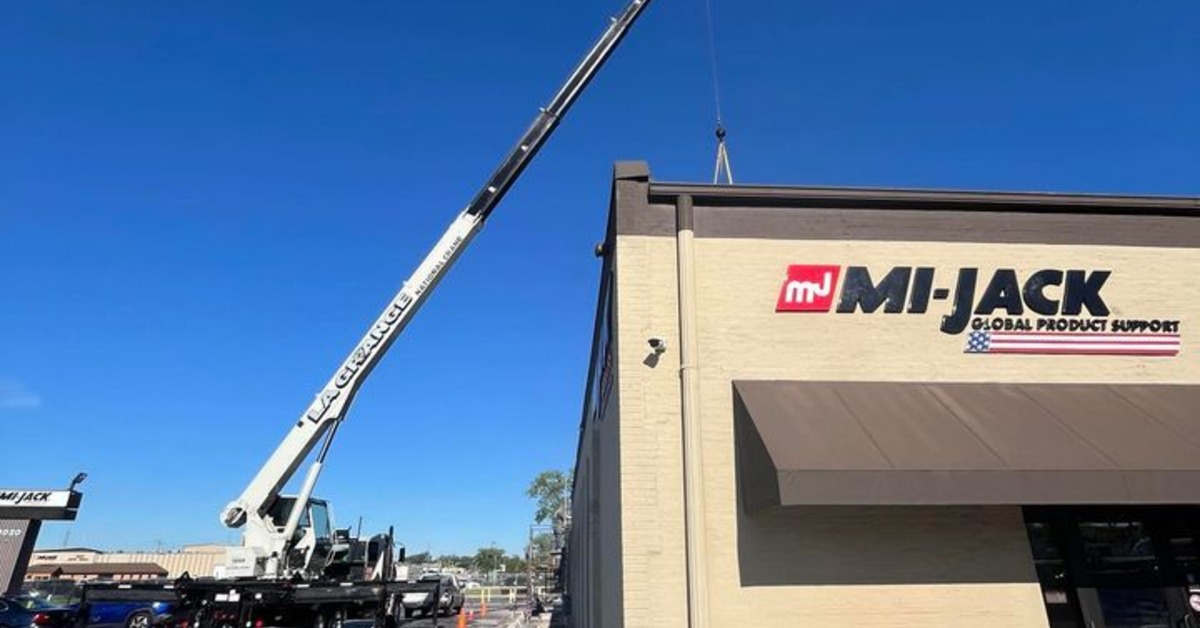
Modern crane projects rely on detailed lift plans before equipment arrives at the site. Engineers evaluate crane placement, ground bearing pressure, load weight, boom configuration, swing radius, and counterweight requirements long before operators begin work. Modular counterweights fit naturally into that planning process. Lift planners select the exact ballast package required for each operation based on manufacturer specifications.
That level of precision supports safe crane operation without unnecessary excess weight. Technology also plays a larger role today. Computer lift planning software calculates counterweight requirements alongside other crane specifications, allowing project teams to verify every detail before work starts.
Choosing the Right Crane Partner
Even the most advanced crane equipment depends on experienced professionals who understand proper setup and safe operation. Counterweight selection represents only one part of a successful lift. Ground preparation, crane placement, weather conditions, operator experience, and communication all contribute to project success.
A trusted crane rental provider works closely with contractors throughout the planning process. Experienced teams review project requirements, recommend appropriate equipment, and develop lift plans that fit both safety standards and project goals. La Grange Crane Service has built its reputation by providing dependable rental all-terrain crane services.
Large crane projects depend on careful planning from the first delivery through the final lift. Modular counterweights provide flexibility, improve transportation efficiency, support safer crane assembly, and allow precise equipment configuration for changing job site demands. Use these advantages to complete complex lifts with greater confidence and precision today.
