

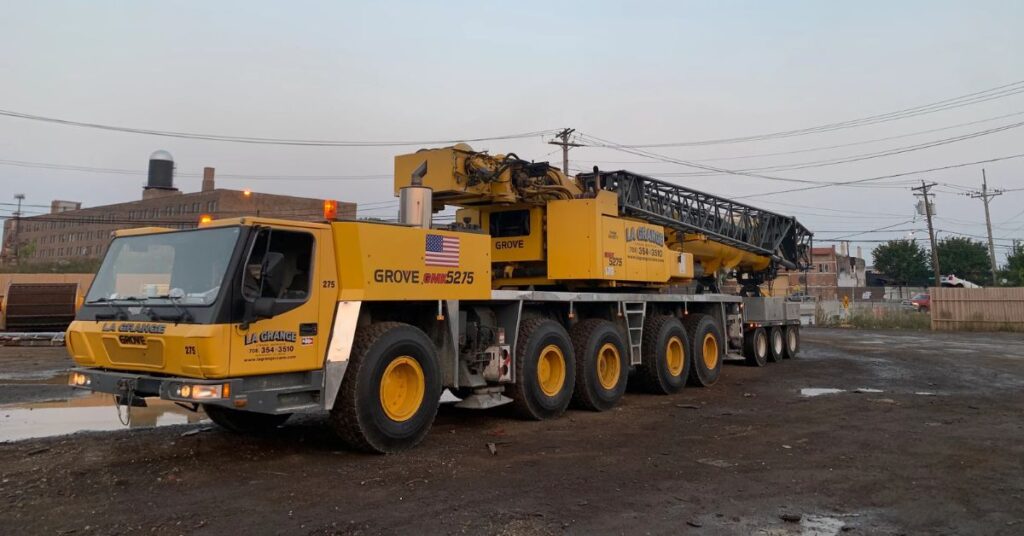
Crane rentals make tough jobs on construction sites a whole lot easier, but skipping the basics can easily take your project off track. Whether you’re managing your first job site or you’ve been in the field for years, understanding the top crane rental mistakes to avoid on construction sites can save you time, money, and unnecessary stress. This blog highlights the biggest missteps contractors make when renting cranes and, more importantly, how you can sidestep them for a smooth, safe operation.
Neglecting a Site Assessment
Beginning a project without a thorough site assessment often leads to surprises once the crane shows up. The first step before even browsing for a crane is walking the site and considering its terrain. It’s important to evaluate whether the soil can handle the crane’s weight or if it has some stability issues. Muddy, sandy, or unstable ground can cause the equipment to sink or tip, potentially leading to expensive damage or serious injury.
Space also plays a huge role. That big crane you’re eyeing needs more turning room than you think. Failing to measure the available space can result in a crane that physically cannot operate safely on your construction site.
Don’t forget to look up. Power lines, overhanging tree branches, and other obstacles can complicate a routine lift. A careful site assessment helps you plan for these issues, ensuring you keep both your crew and equipment safe from the start.
Choosing the Wrong Crane Type
The crane you rent needs to match your job’s unique requirements in terms of load weight, reach, and job site surface. Picking a crane with the wrong capacity or failing to think through your project’s height requirements can lead to delays or safety incidents.
There are several main types of cranes commonly available for rent.
- Rough terrain cranes work best for job sites with uneven or unpaved surfaces.
- Truck cranes provide easy setup and flexibility for projects that need to move to different locations.
- All-terrain cranes can handle tough conditions and can be driven on highways for relocations.
- Crawler cranes offer a long reach and are ideal for projects requiring immense strength.
Thinking carefully about these options and your project’s details helps you avoid the major mistake of renting a crane that doesn’t fit your needs.
Skipping Inspections and Maintenance Checks
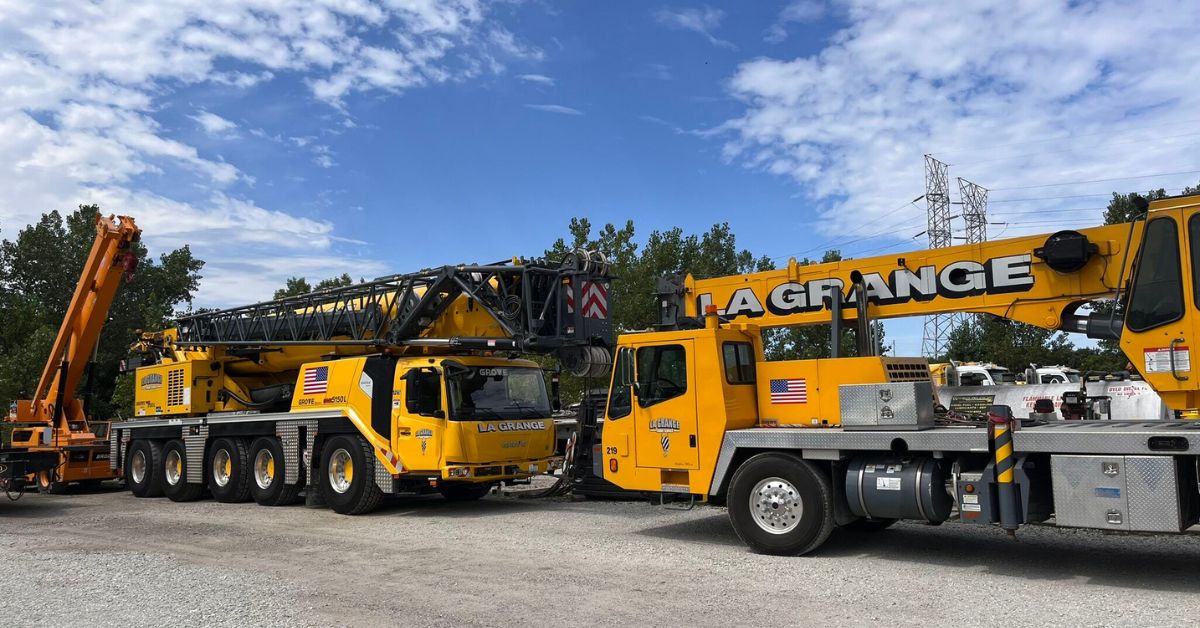
You don’t want to grab the keys to a rented crane only to find out too late that it’s hiding a maintenance issue. Neglecting to look at pre-rental inspections or maintenance records might seem harmless, but it could cost you big time later. If there’s apparent damage to the crane when your contract ends, you could find yourself responsible for costly repairs.
Reputable rental companies verify that their equipment is up to date on maintenance by using a third-party inspection service. However, you should still take the time to check out the crane’s condition and review the maintenance logs before accepting it.
Failing To Hire Qualified Operators
You might think anyone who can drive a forklift or heavy vehicle can operate a crane, but regulations and safety standards say otherwise. Only a crew member with proper training and up-to-date certifications can legally operate a crane.
These are some of the certifications that may be required, depending on your state or the scope of your construction project. They often require medical evaluations, drug testing, written and practical tests, and membership in a labor union.
- Operating Engineers Certification Program (OECP) Certification
- National Commission for the Certification of Crane Operators (NCCCO) Certification
- Crane Institute Certification (CIC)
Skipping this step can lead to accidents and legal headaches. If no one on your crew is properly certified, work with a crane rental company that supplies qualified operators as part of the service. Otherwise, you’ll be exposing yourself to serious risk and regulatory penalties.
Overlooking Permits and Regulations
Crane operation is a highly regulated task. Every city, county, and state might have its own requirements for operating heavy equipment. Running a crane without the proper paperwork can lead to fines and cause projects to grind to a halt. Always confirm the specifics needed for your site, including traffic permits, right-of-way clearances, and environmental approvals.
Not Planning for Weather Conditions
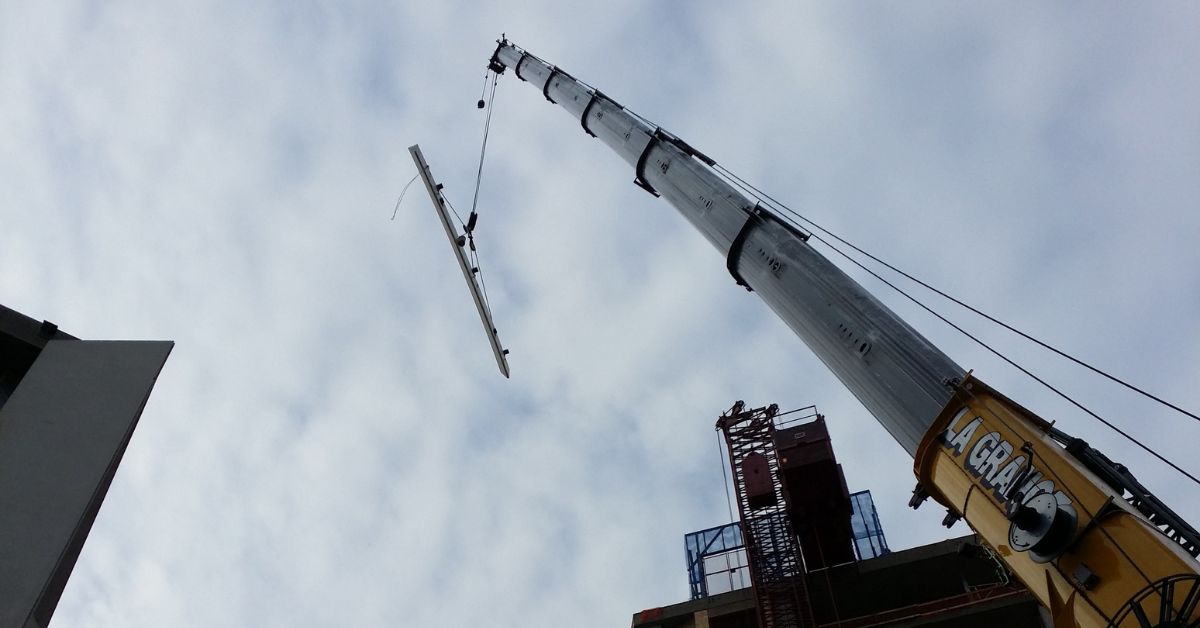
Weather is unpredictable, and ignoring forecasts is something you’ll regret. High winds, heavy rain, and extreme temperatures can disrupt crane operations and create hazardous conditions. Wind, for instance, makes lifting loads a serious safety hazard. Rain reduces visibility and makes solid footing nearly impossible, while extremely cold or hot temperatures can affect hydraulic systems and operator focus.
It’s vital to monitor weather conditions daily and plan lift schedules within safe windows. If things look questionable, never hesitate to reschedule. Relying on luck rather than data can put your crew and equipment at risk, so always use reliable weather monitoring tools and stay up to date with local forecasts.
Not Creating a Project Timeline
Many contractors forget to map out how long they’ll actually need a crane, which can turn a good rental price into an expensive overage. A realistic project timeline helps estimate your rental period and ensures proper budget planning. Skipping this can lead to rushed setups (which always ramp up safety risks), missed deadlines, or extra days with idle equipment eating into your profit margins.
Don’t forget to build in setup and breakdown times as well. Setting up a crane takes skill and patience. Trying to speed through the process to save money is always a mistake. Planning ahead keeps your project on track, avoids bottlenecks, and ensures you use your rental time effectively.
Forgetting To Insure the Rental Equipment
If you skip insurance coverage for your rented crane, you’re putting your entire business at risk. Damage, accidents, or theft can happen, and without coverage, you shoulder all the costs. Plus, rental companies often offer or require insurance as part of the contract. Even a minor incident can permanently damage your business.
Miscommunicating With the Rental Company
Don’t leave your rental company in the dark about what’s happening on-site. Clear and accurate communication about your project, its requirements, and special conditions ensures you get the right equipment every time. If you need a crane with extra reach, require special lifting attachments, or need it delivered to a hard-to-access site, make that clear upfront. When contractors fail to communicate these details, equipment arrives mismatched to the job, causing frustrating delays and expensive corrections.
Streamline Your Construction Site With a Crane Rental
The crane you rent can be the difference between completing a project on schedule or facing endless delays. By knowing the top crane rental mistakes to avoid on construction sites, you can sidestep most major issues and boost your chances of a safe and efficient project.
If you know you need to rent a crane but you’re not sure where to start, La Grange Crane Service can help. Our experienced project managers can help you select the right machine for your project, whether you need a small truck crane or a rough terrain crane rental in Chicago. We’ll even create a custom contract that works for your construction budget and timeline. Contact us today to learn more about our services.
